
The way to avoid costly bathroom repairs is to put moisture in its place, dry off wet surfaces and spot minor faults before they turn into something more. With a bit of regular upkeep, good drainage and sound waterproofing, your exhaust fan will see to it that the bathroom is spared from water damage, mildew or that odour of a damp towel in a gym bag.
Ruby Donovan here in Brisbane. The Brisbane humidity can be such that the bathroom has a weather system of its own; my first summer in this city was a lesson in not shutting the door after a shower and calling it moisture control. You are only affording condensation some privacy. What follows is a guide to the ins and outs of ventilation and maintenance in Australian bathrooms.
A Mould-Resistant Routine
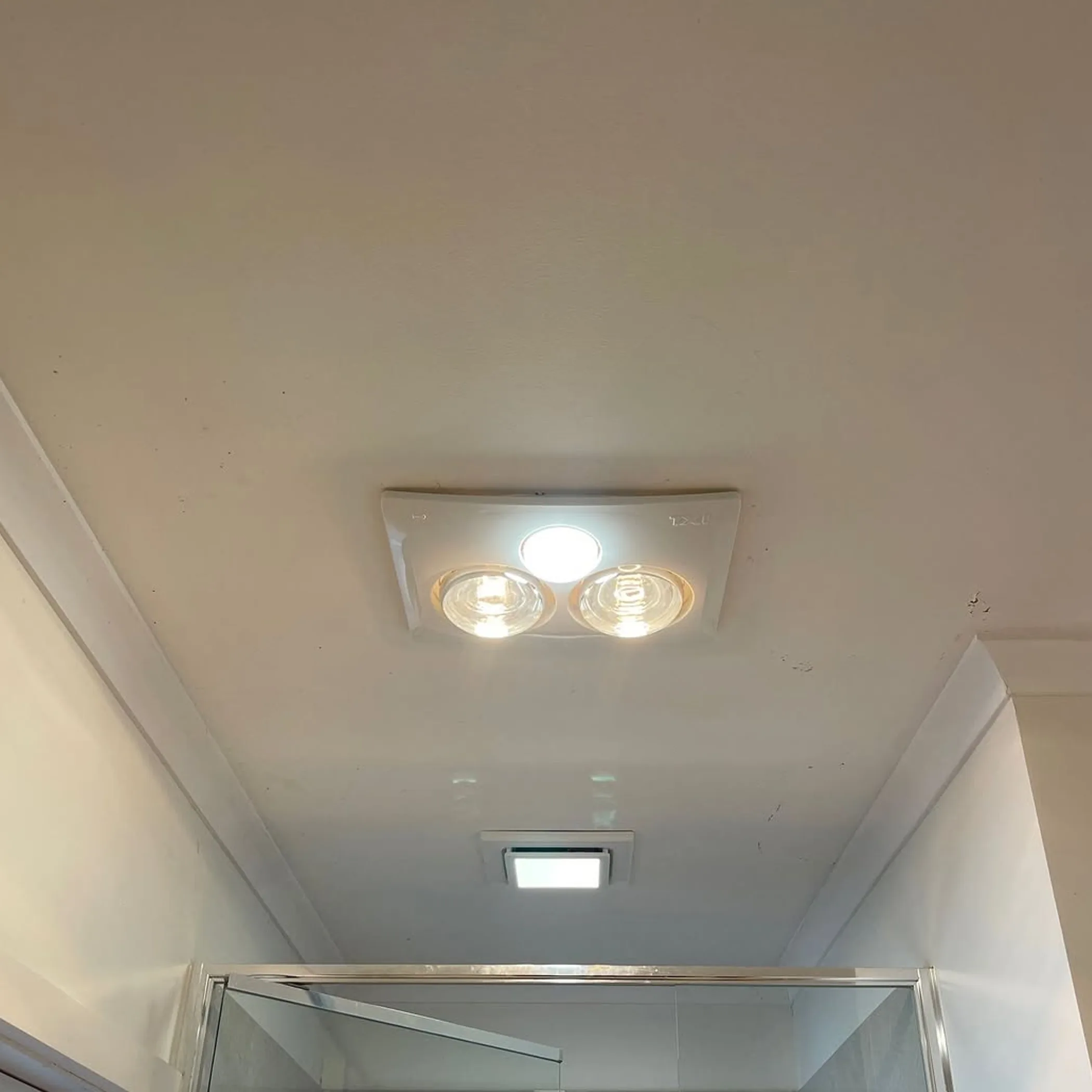
There is no need for most bathroom issues to get out of hand if one has a dependable routine. It is as straightforward as taking the moisture out of the air, making sure water does not pool on a surface, and following wet area safety standards where it should be contained.
In drier parts of the country you may not have to be so vigilant, but in the Top End or along the coast of New South Wales and northern Queensland, more drying and ventilation is called for. Summer storms and the wet season will impede evaporation with their high humidity, and winter condensation is trouble enough in a southern home.
Your Daily Checklist
While in the shower and some time after, let the exhaust fan run to dispel any steam. Should it be little more than a hum or rattle, moving very little air, it is in need of some attention. A fan that makes itself heard but accomplishes nothing is like someone strutting about with an empty folder.
Wipe down the floor, wall corners and shower screens when done. Put the bathmat out to dry instead of having it bunched up like a damp sandwich. Open a window or the door if you can, though an open window is no use if it lets in humid air.
- Run the fans during and after a shower.
- See to it that shower screens and puddles are dried.
- Give the bathmats a wash and dry now and then.
- Do not leave storage next to the floor waste or a wet wall.
- Make note of any dripping, swelling or stain that keeps coming back.
On Humidity And Ventilation
Proper ventilation will take the humid air away from the timber, grout, paint and ceiling. It also cuts down on condensation which, being able to leave things just as wet, is often taken for a leak.
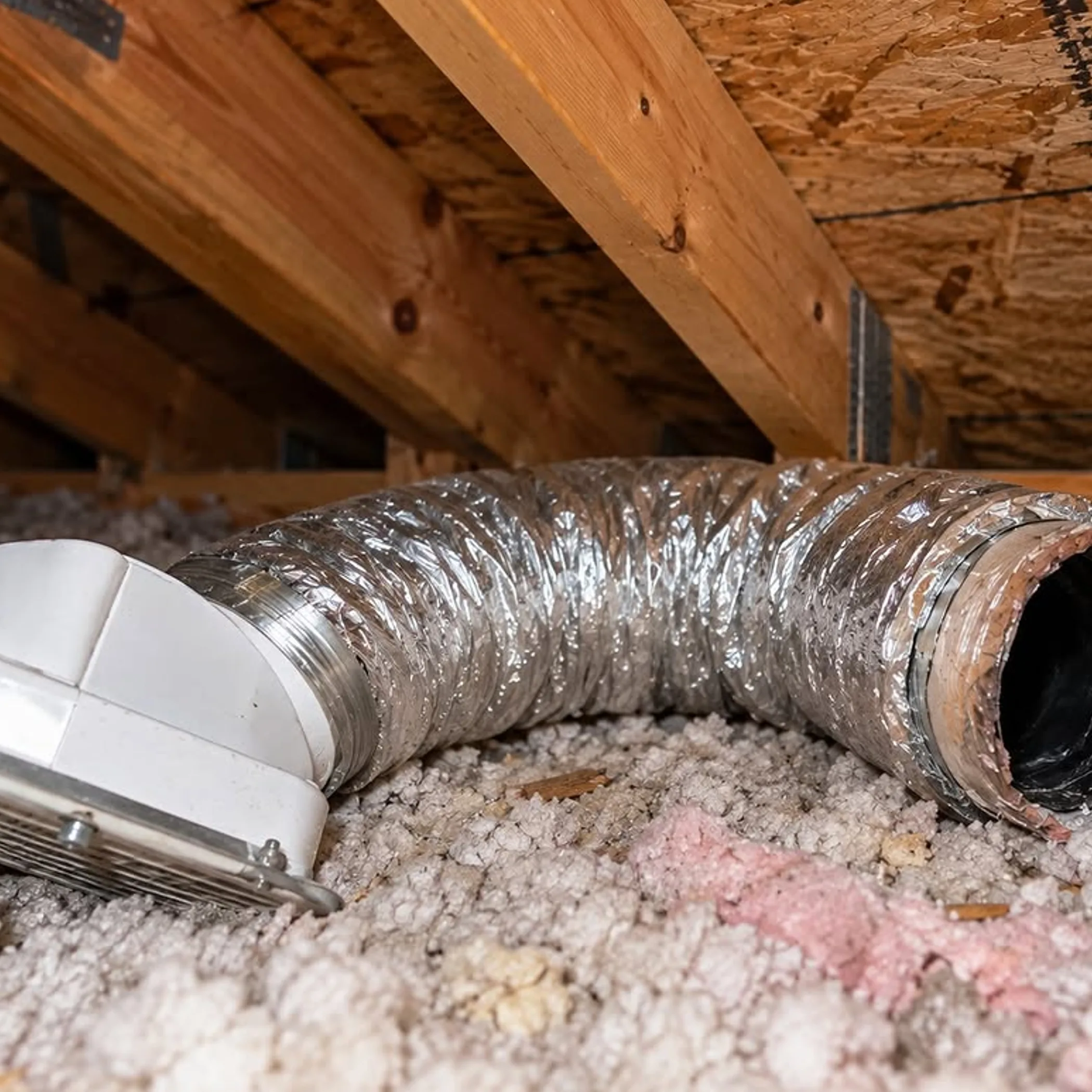
Make sure the ducted outlet is taking air outdoors and not into a roof cavity. A ceiling fan venting above the ceiling is not solving anything, it is passing the problem on to your insulation and roof timbers.
Fans For The Job
An ensuite that sees a single user a day is not the same as a family bathroom with several showers to get through before school. Have a licensed electrician or installer look at the capacity, ducting and switching of the fan to ensure it is fit for the room’s layout.
Clean any dust from the grilles (switch off the power and heed the manufacturer) and do not put off an inspection if the airflow is weak or there is a noise. A timer or sensor can be of service to those who forget the switch, but they are no substitute for a well installed fan and sensible airflow. See that undercuts to doors and vents are unobstructed.
Shower Areas
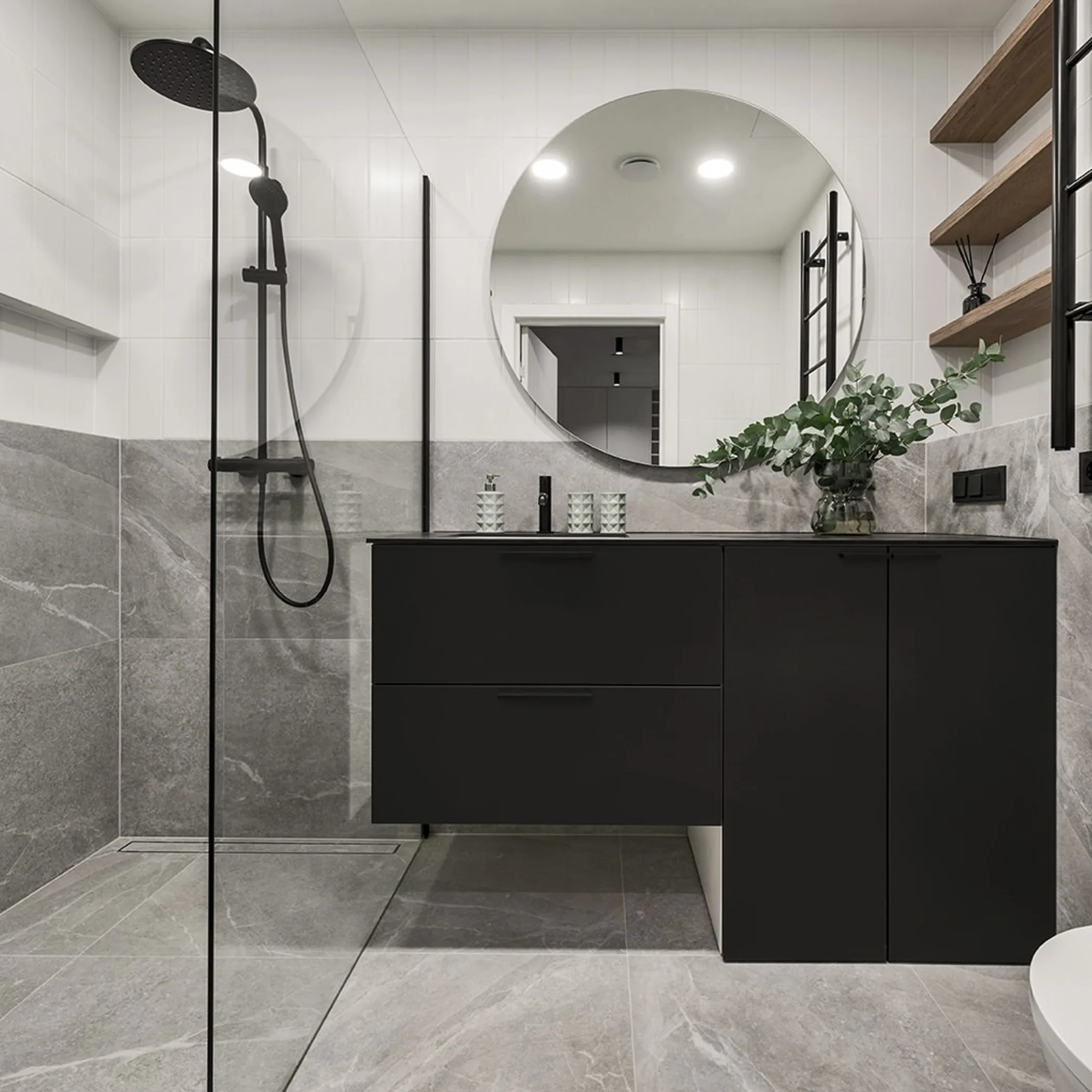
This is where the water is most direct and demands the most of you. A screen or a curtain in good order will keep the spray in its place. Check the seals at the wall and floor; water getting by the screen is not to be left to ruin the skirtings or cabinetry.
Be reasonable with the length and heat of the shower. Steam will make water of itself on a cool surface, as is evident on a warm Brisbane morning in winter. Once finished, put a squeegee or towel to any standing water. Water should be directed to the floor waste, not left to pool at the shower screen. And do not put a bathmat, bottles or storage baskets over a floor waste.
There is a difference in what one might expect and the reality: while tiles are water-resistant, that does not of itself make the whole surface waterproof. Should the wet area waterproofing below be in any way damaged or defective, water will find its way through the grout, tile joints, movement gaps and penetrations.
Grout And Silicone Maintenance

Do not think of caulking, silicone sealant and grout as some form of permanent bathroom ornament; they are maintenance work. All of them are liable to discolour, crack, shrink, come loose or get mouldy under the strain of cleaning agents, constant wetting and movement.
Give the corners, the base of the shower, tap penetrations and where the shower screen meets the wall a look. A hairline split in the silicone can let water behind the surface. And putting new silicone on top of something that is wet, loose or mouldy is not a renovation.
Put Joints In Order Before They Fail
Surface mould should be dealt with per the product’s directions and the area made thoroughly dry. Deteriorating silicone has to be taken out, the joint put right and you must apply fresh bathroom-grade sealant properly. Mould that lingers under the sealant could be down to trapped moisture or a more fundamental waterproofing problem.
As for grout, if it is powdery, cracked, stained time and again or gone altogether, it calls for some attention. Regrouting will put the face of it right but won’t fix a membrane that has failed behind the tiles. It is worth photographing any changes, a stain that comes back after a good clean for instance.
There is no set timetable for when to put in new silicone or grout. How long they last is a matter of how well they were put in, the amount of water exposure, ventilation and so on. Do an inspection from time to time and replace them once the seal is no longer sound.
The Plumbing, Drainage And Waterproofing
To avoid leaks in the bathroom you have three systems to consider: the plumbing, the drainage and the waterproof layer. One can fail and cause damage even if the tiling is in fine order. In Australia the norm is to have a waterproof membrane in the wet areas behind or under the finished surfaces. It has to be done up right at the junctions, transitions, falls and penetrations. A well laid tile can conceal very rough waterproofing.
Source Of The Leak
See if there is any dampness or dripping at the vanity connections, basins, toilets, flexible hoses, shower mixers and taps. An inspection around the toilet and inside the cabinet may reveal a leak in the form of a musty odour, bubbling paint, peeling laminate or a cabinet panel that has swollen, not necessarily a run of water.
When you are in the shower, pay attention to the floor waste. If the water is rising by the grate or you hear gurgling, there is a blockage or something amiss with the drainage. You can clear away debris and hair but leave the plumbing alone and eschew harsh chemicals unless you know what you are dealing with.
A simple test is to leave the bathroom dry and not use a fixture for a while to see if moisture makes an appearance on adjacent walls or ceilings. That would point to a concealed defect in the building, roof or plumbing, though it is a clue rather than definitive proof.
| What You Notice | Possible Cause | Recommended Action |
|---|---|---|
| Black spots on a ceiling | Likely condensation, mould or lack of air flow | Put in better ventilation and have the moisture looked into. |
| Vanity or skirting has swollen | Water from the shower or a plumbing issue | Have a plumber inspect it and curtail use of the area. |
| Silicone in the shower is cracked | Adhesion has given way or it is old | Clean and dry before replacing. |
| Water by the screen | The floor waste could be blocked or the fall is poor | Get the wet area assessed if it does not stop. |
| Mustiness that will not go | Hidden mildew or water damage | Do not just cover the smell, find where the mildew or water damage is coming from. |
Recognise Early Warning Signs
It is less trouble to act early than let a soft wall or a mark on the ceiling tell you there is a problem. Water damage has a way of starting unobtrusively behind the tiles or cabinetry. Be on the lookout for lifted flooring, loose tiles, rust on fixtures, odd smells and stains that reappear. Even a spike in water usage can be indicative of a leak, if for no other reason.
Know What Catches People
Intermittent leaks are what most people are caught out by. A pipe might only give way when the shower is on, a toilet seep after a flush, or a screen will spill if one is standing in a certain way. An inspection when things are dry can easily miss it.
It is easy to make the error of regarding surface mould as the entire issue. A bit of cleaning will put an end to what can be seen, yet a leaking joint, trapped water or humidity can carry on below. Should the mould put in a quick re-appearance, get out of hand or cover much ground, do not go about disturbing materials that may be contaminated; put in for professional counsel instead.
Australian Wet Area Rules
Any wet area has to conform to building requirements put in place to shield adjoining parts of a structure and control water penetration. What is required will be dictated by the location, the building and the work at hand, not to mention the version of the regulations in force.
For the national framework there is the National Construction Code (NCC). AS 3740 offers the guidance and requirements one needs for waterproofing in a domestic setting. As the NCC is from time to time revised, the official word can be found on the Australian Building Codes Board portal.
Compliance And Renovations
Before any renovation, find out which requirements are in effect in your state or territory and who is to be putting in the waterproof membrane and with what proof of their work. Make sure you have photographs, invoices, product details and inspection records in hand before the tiles are laid over the membrane.
Wet area safety standards are not just a matter of having a waterproof product. Proper detailing, falls, drainage and junctions are all part of it. A DIY job might be presentable but it is unlikely to be a durable fix or bring the waterproofing back into compliance.
Engage The Professionals
A licensed plumber should be called in for toilet or active plumbing leaks, concealed pipe issues, persistent problems with drainage or water making an appearance beyond the bathroom. Since licences and the like differ from one state or territory to another, check a contractor through the local system.
If moisture is showing up behind the tiles, the shower base is moving or a number of rooms are involved, engage a building practitioner with the right experience or a qualified waterproofing professional. For a rental property, the owner or manager should be made aware without delay and written records kept.
Make Time For A Thorough Inspection
Have a pen to hand before the appointment to note down recent storms, any repairs done, changes in staining or odour, and what fixtures were in use when the moisture was noticed. Put the vanity and floor in order so the professional has unimpeded access to walls, skirtings and connections.
Get an idea of the likely source and what the repair entails, including any areas to be removed and if a certificate or further inspection is in order. Costs will be influenced by the urgency, the damage and how easy it is to get at the problem. A written quote and scope should be obtained and one should ask if any hidden damage turns up it would be considered a variation.
A Seasonal Plan Of Maintenance
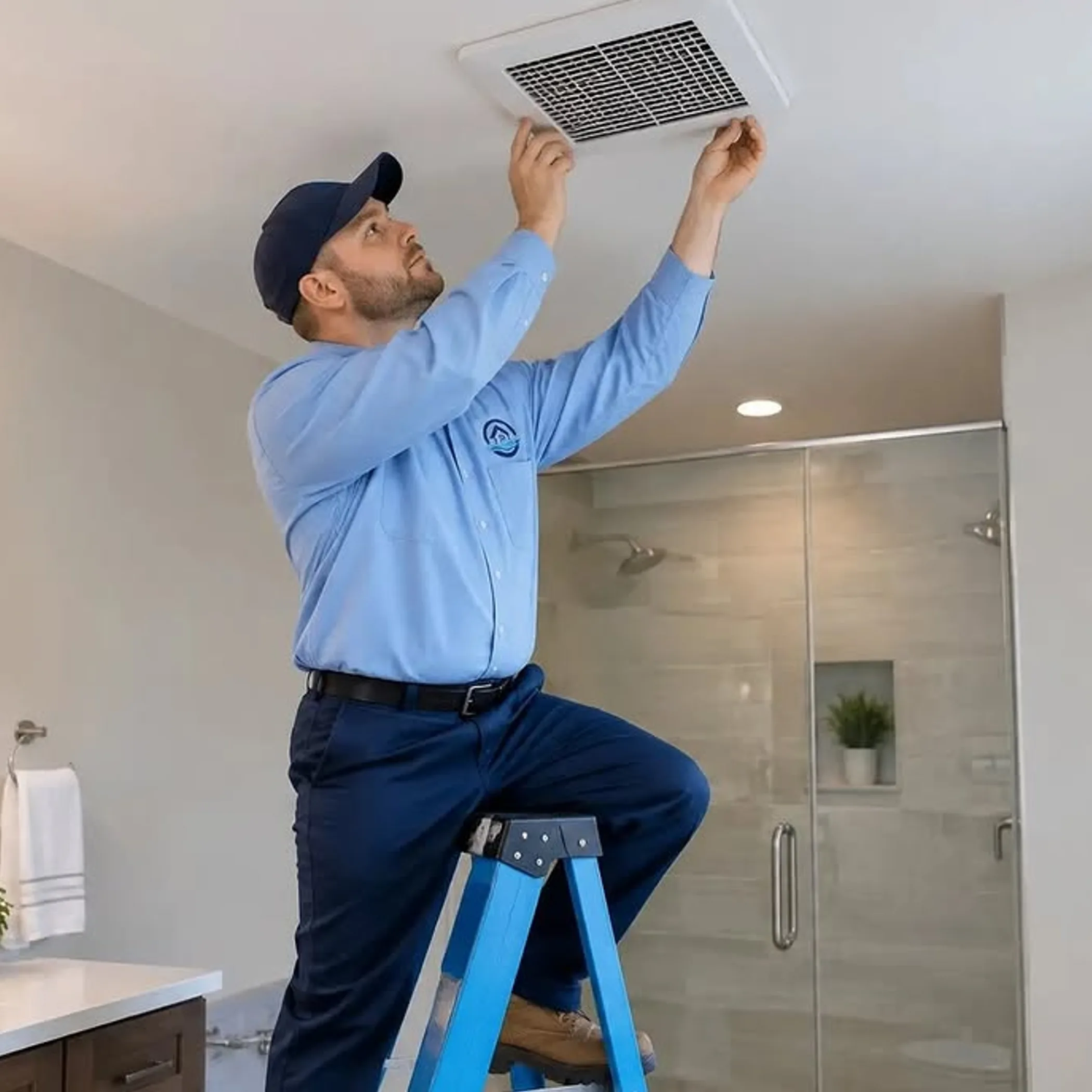
Given the way moisture conditions can vary in Australia, seasonal checks have their uses. In the north one has to contend with cyclone rain and the heavy humidity of the wet season; in the south condensation is more of an issue in the cold months.
Prior to the wet season see that floor wastes are draining properly, clean the ventilation grilles and look at roof and wall penetrations in the vicinity of the bathroom. Ventilate and dry more in humid times. Inspect for fresh staining on ceilings and exhaust outlets after a storm.
One-Day Fixes
There is a routine here that most households, renters included, can follow to report defects early. On a given day, test and put the exhaust fan in order, photograph any damage, clear the floor waste, check the silicone and plumbing and get rid of standing water. Leave cosmetic repainting for later and focus on soft building materials and active leaks. This is not for those without the licence and equipment to undertake electrical or plumbing work. Water is patient and has a way of going places in even a small bathroom.
Some Questions Asked About Mould And Leaks
The following are the answers to what is commonly asked in relation to Australian bathrooms. Where a problem is wont to return, consider it evidence and not misfortune.
Stopping mould in an Australian bathroom
An effective exhaust fan, good airflow and the repair of leaks will cut down on moisture. Follow the product directions to clean off visible mould in a safe manner, but if growth is recurrent it could be a sign of poor ventilation or water damage that should be looked into.
Ventilation to keep mould at bay
You want a system of the right size that is ducted to the outside and used in the course of and after a shower to maintain strong airflow. An installer with the qualifications can judge the room and outlet placement. An open window is of some assistance but in humid weather it does not suffice.
Signs of a leak
Recurring stains, mustiness, peeling paint, a fixture that produces water when in operation or unexplained dampness are all indicators. Swollen cabinetry and loose tiles are others. Some leaks are intermittent and hidden; if the source is not obvious put in for a licensed inspection and make a note of the timing.
When to put in new silicone and grout
Do so when they have become porous or no longer seal, or have shrunk or cracked. There is no set schedule that applies to all as exposure to moisture and movement will determine service life. A new sealant is not going to remedy a membrane under the tiles that has failed.
Waterproofing requirements
The NCC and AS 3740 are the references for domestic work, though jurisdiction and the nature of the work will be factors. Use professionals for the plumbing, electrical and waterproofing and make sure the rules are current before renovating.
Professional repair of a leak
For anything that persists after a clean, such as soft floors or walls, mould, drainage failures or an active leak, have a professional deal with it. It is the only way to limit the damage and tell if it is a case of rising damp, a plumbing or waterproofing matter.
Control The Moisture

Consistent moisture control is the way to avoid mould and leaks: inspect, ventilate, dry and make the necessary repairs. Note the small things and have your records to hand before a renovation is covered up by tiles. When the source is not plain to see or the repair is of a plumbing or electrical nature, call in someone with a licence.