
For the Australian homeowner, a bit of natural mould prevention and cleaning is all that is required to put an end to small household mould problems and keep them from coming back. The formula is straightforward: deal with the source of the moisture, do a thorough job of cleaning and drying, then see to it there is better airflow.
Ruby Donovan here, a writer in Brisbane where one does not have to try hard for the Queensland humidity to make its presence felt. Before you can even say “I will get round to it this weekend”, mould has a way of showing up on the window frames or in the corners of the bedroom and bathroom, and on wardrobe and ceiling surfaces. With some sensible methods and humidity control you can usually handle a small amount of surface growth. Then again, no amount of natural product is going to remedy a roof that is leaking, rising damp or a room that is always wet.
A Practical Way To Start
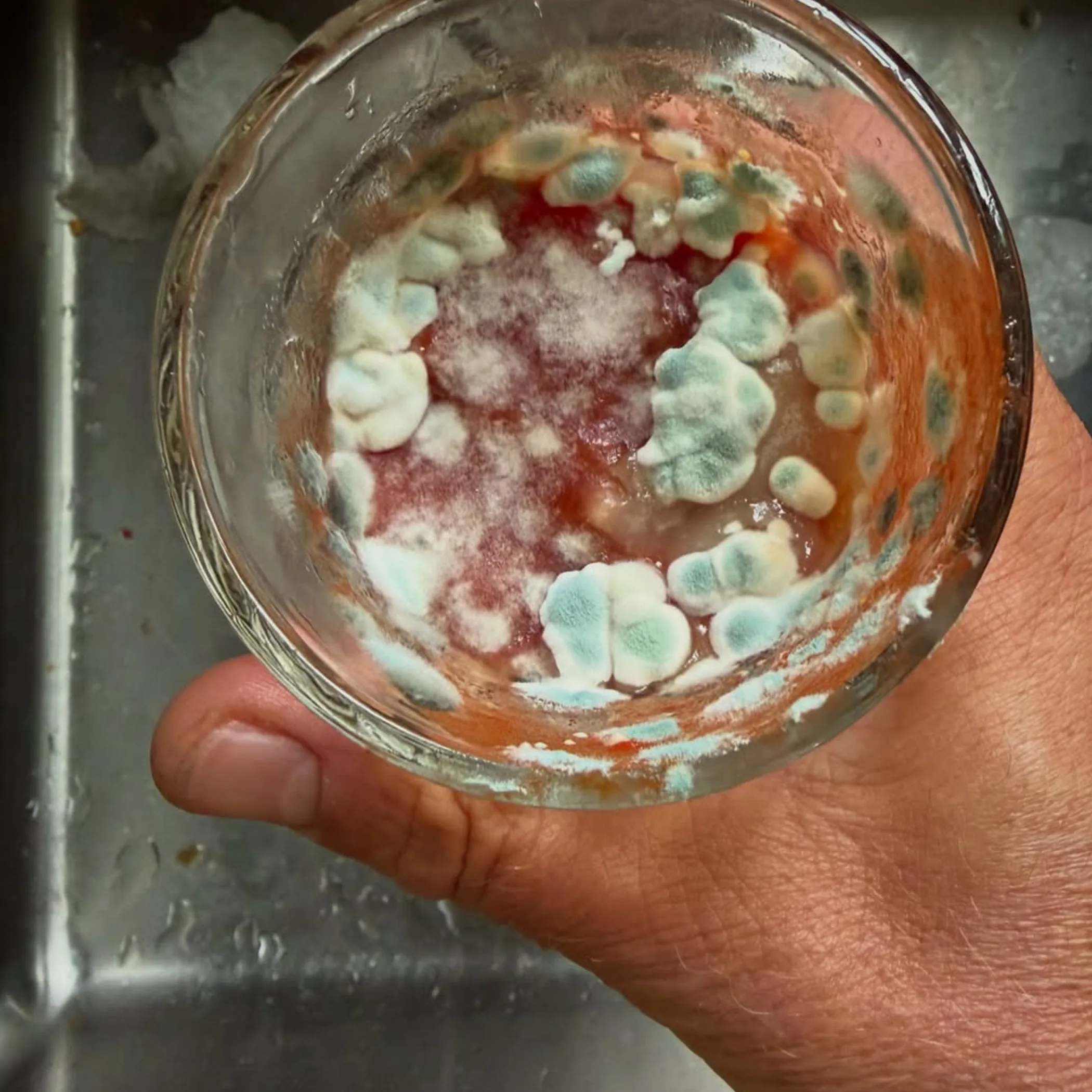
Mould is a fungus and where you have warmth, a food source and moisture it will grow. Spores will find what they need to multiply in paint, soap residue, dust, paper, fabric and timber.
Hard, washable surfaces are fine for a natural approach and balanced indoor surface care, but when the growth is of a scale that has made its way into porous materials or is a recurring issue, leave it to the professionals for proper remediation. Consider it good home maintenance, not some kind of crusade with a spray bottle.
Look At The Moisture
Do not start cleaning without first checking for condensation, a water leak, blocked gutters, an over-watered pot plant, wet carpet, clothes left to dampen or furniture in close contact with a cold wall. If the moisture is still there, any natural mould killer is only going to be a short term fix.
One can gauge relative humidity with a digital hygrometer to see if a room is getting damp after a shower or in the night. Below 60 per cent is a sound target for most households, though the building and climate will dictate the safest level.
When To Leave It Be
There is a difference between an isolated spot and mould that has spread to soft furnishings or inside a wall cavity. The rule of thumb of one square metre is not set in stone but should be taken as a sign that the task is beyond casual cleaning.
Those whose immune system is compromised or who suffer from chronic lung disease, asthma or bad allergies would be well advised to forgo the cleaning and put in a call to their landlord, building manager or a health professional.
The Cause Of Mould In This Country
You have the cold southern mornings with their glass full of condensation and the summer in Brisbane where the air is thick with humidity. Add to that coastal air, a bathroom with little ventilation and a change in temperature and you have moisture on every surface that is prone to it.
In the north the wet season will have a room damp for days. Come the cooler months and windows are shut and clothes are dried in, trapping the moisture. A house may be comfortable enough while the condensation is at work behind the scenes.
Usual Suspects
Hot showers in the bathroom put moisture in the air and kitchens have steam from the kettle and dishwasher. Overnight in the bedroom the combination of breathing, laundry and lack of air can put mould on the window sills and in the wardrobe.
Give water leaks your attention; under the sink, by the hot-water system, near the air-con or washing machine. You may pick up a musty odour before the mould is plain to see.
What People Miss
It is tempting to scrub away a patch and put it down to done. Only to have it reappear in a fortnight because the ventilation or the cold surface was never put right.
Or you will see a big wardrobe put up to an outside wall. Make room for the air to circulate, in an old home or a rental with not much sun anyway.
Moisture Control Is Key
To really stop mould in its tracks you have to manage the moisture on a daily basis. That is what alters the environment in which it grows.
Ventilation is not about having every window open on a humid afternoon, in Brisbane that can be counterproductive. Put some thought into cross-ventilation and exhaust fans. As for the bathroom fan, run it while you are in the shower and some time after. While the room is steaming, leave the door shut; put on some ventilation when the humidity has abated. For cooking or to boil water, turn on the kitchen extraction.
Build Better Airflow
Give your furniture a bit of room from the wall and do not overfill the wardrobes. An occasional opening of the cupboard will let any air that is trapped get out. And while sunlight is good for drying surfaces, it is no substitute for proper cleaning and repairs.
Everyday Moisture Control
Be prompt in putting away damp towels. Put the washing out if the weather is right, otherwise do not dry large quantities indoors unless there is adequate ventilation. Should you have to, make use of a dehumidifier or fan and close the door to the room.
In the morning of a cold day when the glass is at its wettest, take a dry microfibre cloth to the window sills and frames to remove condensation. Make sure to empty the dehumidifier and service the filters as the maker would have it.
A Checklist for Prevention
- Attend to any water leaks without delay.
- Ensure the exhaust fans in the kitchen and bathroom are in good order.
- Dry off the sills, frames and glass.
- Do not pack large pieces of furniture or wardrobes up against the wall.
- See to it that bath mats and other damp items are dried quickly.
- A musty odour may be an indication to look at the gutters, roof spaces or the drainage of the air-conditioner.
Small Patches: The Natural Way

Non-porous things like glass, sealed tile, painted metal and the odd piece of finished plastic can be treated with natural mould removal. But one should test vinegar, peroxide or essential oils in an unobtrusive spot first; they have a way of affecting fabrics, grout and paint finishes.
Put on a mask that fits well along with gloves and eye protection for the dusty work. Keep pets and children at a distance and do not have a fan blowing at dry mould before it is contained and made damp.
Detergent and White Vinegar
White vinegar will see to some surface mould and the musty residue. Put it on a washable surface and let it sit for a time before wiping with a damp cloth and making sure it is thoroughly dry. It is not going to sterilise the room or stop regrowth in the long run, nor does it kill all mould. To get at general grime, warm water and a household detergent will do. That gets the dirt off and the mould is more apparent. Under no circumstances mix the vinegar with bleach or chlorine.
Residue and Baking Soda
On a hard surface baking soda can act as a mild abrasive and take care of odours. Make a paste with water, apply and then wipe and dry. Consider it a useful aid rather than a surefire natural killer of mould. Be gentle with porous materials, aggressive scrubbing will only put contaminated dust into the cracks and fibres.
Oxygen Bleach and Peroxide
For a small patch on a compatible hard surface hydrogen peroxide will do, best in a ready-made form from the house. Ventilate and read the label; do not put it together with vinegar. Oxygen bleach has its place on some grout or fabric but can discolour so use as directed and test beforehand. “Natural” is not to be equated with harmless, particularly in a room with little air.
Methylated Spirits and Clove Oil
Clove oil is touted for its antifungal properties but a bit of home application is no proof it will put an end to established mould or keep it from coming back. It can be an irritant and is not safe for some pets. Methylated spirits is flammable and not to be used near heat or an open flame; it is hardly the thing for routine cleaning. In most cases plain detergent and a good wipe down is more sensible.
Prevention by the Room
A laundry calls for a strategy to dry clothes, a bathroom for steam to be tamed and a bedroom for some airflow through the night. These are minor adjustments that fit the problem at hand. Homeowners and renters can employ them, though the latter ought to put in writing to the property manager any leaks or persistent dampness.
Bedrooms
If the aim is to prevent mould in the bedroom in a natural fashion, begin with the inside of the wardrobe and the wall at the head of the bed. Open the curtains come morning to evaporate the condensation and do not use the room to dry the washing.
Resist the temptation to put a bed up against an outside wall on the grounds that it makes for a neater room. I have been guilty of it in a rental and discovered a fuzzy patch behind the headboard; one would not have known anything was amiss from the doorway. Mould has its own way of decorating.
Bathroom Steam: What to Do
Run the exhaust fan in the course of or prior to showering, put wet towels out to dry and see that there is no standing water on the tiles or screen. Make a habit of inspecting the fan grille, grout, silicone and ceiling. Should the fan be rattling or underperforming, or venting into the roof space, then some mould scrubbing will not do you any good. Have it mended and see if the roof cavity has been compromised.
Kitchens And Laundries
Pots left to simmer should have a lid on them. Wipe any splashes off the cupboards and walls and have the extraction running while you are at the stove. In the laundry, make sure there are no slow leaks in the hoses or seals, put the washing-machine door back after you are done with it and do not put a damp cloth in a hamper where it is shut away. Wet weather calls for some practical ventilation. A dehumidifier is worth having in the Top End and similar humid climes in the wet season; in the south it is the morning condensation that is more of a concern.
Cleaning Mould Without Making Spores of It
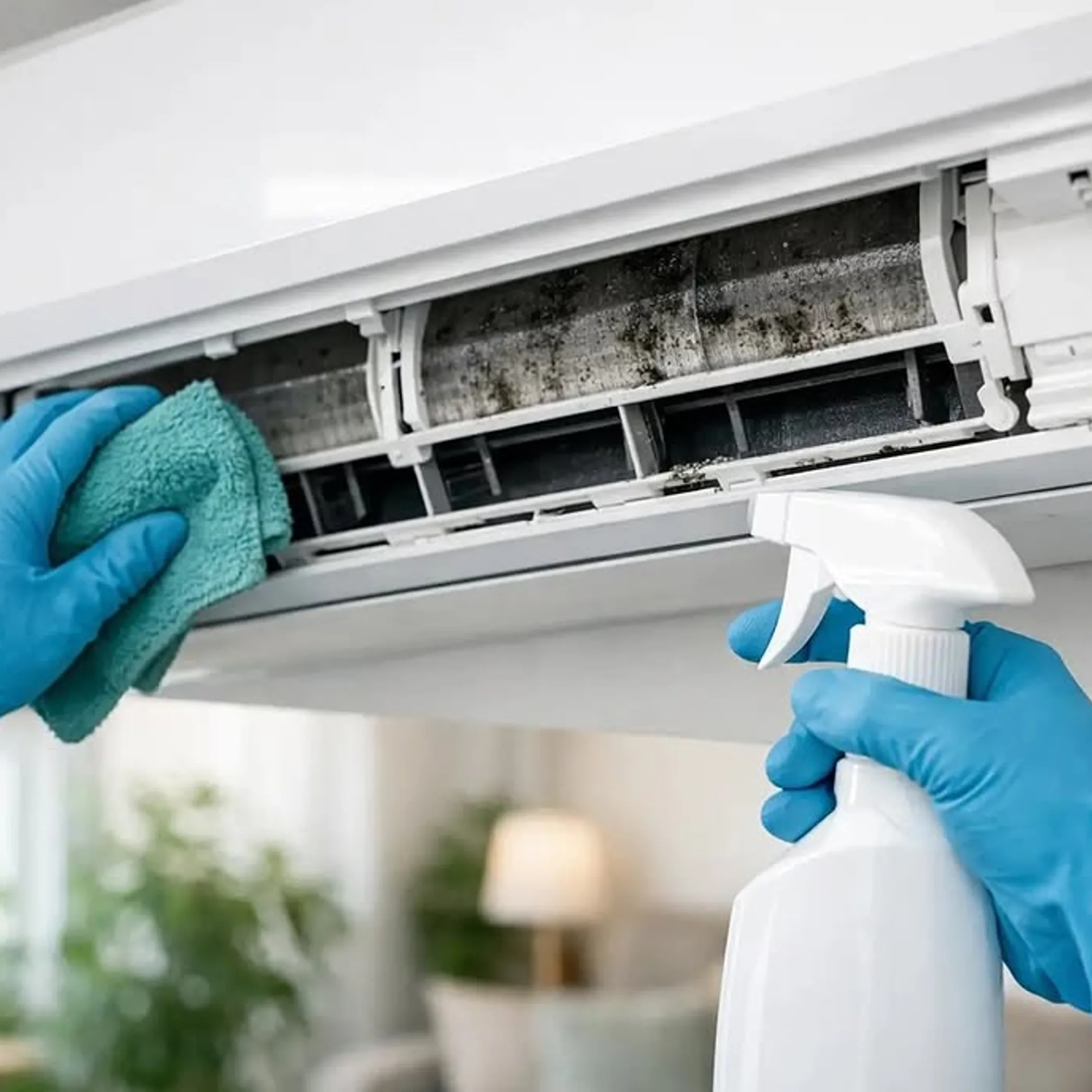
How one goes about it is as important as the product for safe cleaning. One wants to get rid of the growth without disturbing it unduly, to protect the lungs and prevent contaminated water from reaching other materials.
A matter of sequence. First put right the source of the moisture. Clear the area of clutter and any soft things or toys. Don gloves and eye protection along with a proper mask. Then apply your cleaner, making sure there is no spray or splash. A microfibre cloth to wipe down the surface, followed by thorough drying and better airflow. Put what you have used in a sealed bag or to one side for laundering. In the days and weeks to come, give the area another look. An ordinary vacuum will only put the spores back in circulation so do not use one on dry mould unless it has the right HEPA filter for it. Nor is painting over it or using a fragrance to cover the mustiness a solution, nor is sealing dampness in plastic.
Use A Careful Cleaning Sequence
- First put right the source of the moisture.
- Clear the area of clutter and any soft things or toys.
- Don gloves and eye protection along with a proper mask.
- Then apply your cleaner, making sure there is no spray or splash.
- Use a microfibre cloth to wipe down the surface and put what you have used in a sealed bag or to one side for laundering.
- Follow with thorough drying and better airflow.
- In the days and weeks to come, give the area another look.
When You Cannot Rely On Natural Cleaning
There is only so much natural cleaning will do if the mould is back again, or has taken hold of plasterboard or carpet following a flood or concealed leak. Repeated wiping of porous materials is futile when the growth is beneath the surface. At some point professional remediation is called for, whether to remove building materials, deal with contamination in the wall or roof cavities or put in drying equipment. Get a written scope of work and diagnosis of the moisture problem, with an explanation of what is to be put in or replaced.
Health Matters
One can find all manner of symptoms listed under “mould toxicity” but there is no Australian list of ten signs to say definitively that is what a person has. Coughing, a headache, wheezing or skin irritation can be put down to many things. Persistent or severe symptoms warrant a visit to a medical practitioner; for difficulty breathing, urgent care is in order. No amount of household cleaning will diagnose an illness and a plant is not going to eliminate a given percentage of airborne mould in the home. For a public-health perspective have a read of Queensland Health’s information and put your symptoms before a qualified professional.
Some Common Questions
The answers below dispel a few misconceptions regarding natural removal. Put simply, moisture control will serve you better in the long run than anything in the pantry.
What is a natural killer of mould in the house?
Detergent, oxygen bleach, hydrogen peroxide or white vinegar will clean a small patch on a suitable surface but they are not universal panaceas. It is a question of the species and the conditions. The water has to go.
Vinegar for permanent results?
Not really. It may take some of the surface mould but if there is poor ventilation or a leak it will be back.
Can a plant clear the air?
Do not expect a plant to rid an Australian home of 78 per cent of airborne mould. Watering and soil will put moisture in the air so they are no substitute for filtration and ventilation.
Warning signs of toxicity?
You might get some respiratory or allergy type symptoms but they are not unique to mould. There is no validated set of ten to confirm it. Let a doctor be the judge of that.
Preventing a return?
Fix the source of the moisture, keep the humidity in check, let the air circulate and monitor the spot. If it does not stay gone, call in an inspector or a professional.
In The End, A Drier, Cleaner Home
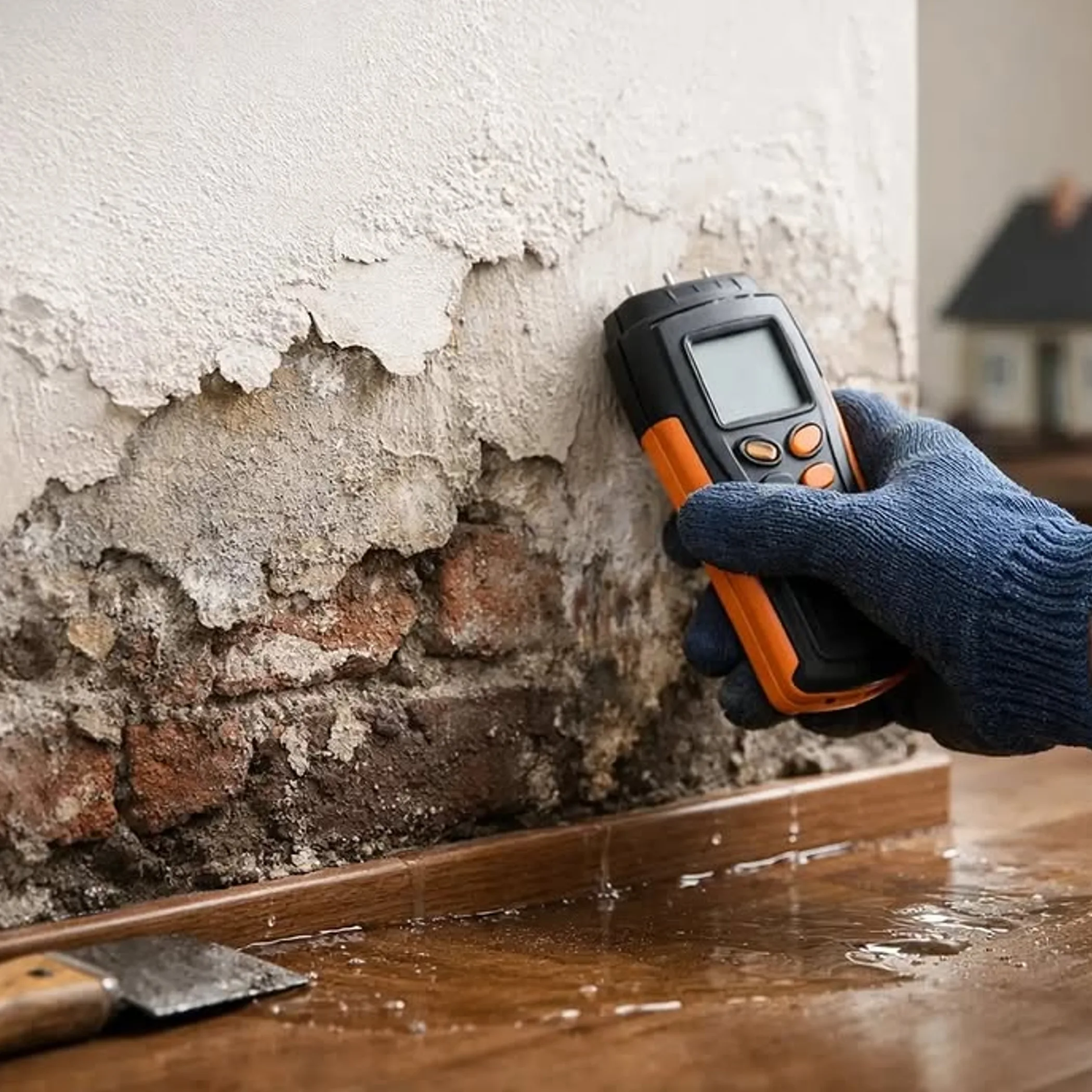
In the end a drier, cleaner home comes from sensible measures, not showy ones. In an Australian home that is a case of tending to condensation, mending a leak, putting the clothes to dry and letting the air move. Be consistent in this and mould will have little chance to put down roots and act like it is paying its rent.