
The first rule of thumb in Summer Tattoo Care Australia is that a new tattoo must be shielded from sun, water, sweat and any rubbing until the skin has closed up and finished healing. Even after it has healed, a tattoo requires UV protection on a daily basis; an Australian summer with its long days at the beach and direct sunlight will have a way of fading the pigment and causing irritation if left unattended.
I am Ruby Donovan from Brisbane, where you can be forgiven for thinking a T-shirt free of humidity is something of a pipe dream. In this guide I put forward some aftercare suited to our conditions, such as what to do after a day at the beach, if a new tattoo can go in the water and when it is all right to put on sunscreen. This includes new tattoo beach safety.
Summer Tattoo Care In Australia
There is no such thing as a uniform Australian summer. The wet season in the Top End, the dryness of the Red Centre, Perth’s arid sun, Melbourne’s mercurial heat and the kind of humidity we get in Brisbane present their own set of problems for skin in recovery.
The fundamentals are the same: a fresh piece of work should be kept clean, out of the water and the sun, and lightly moisturised. But take heed of any instructions your tattoo artist puts before you first; the aftercare plan can be altered by the ink coverage, application method or use of a medical-grade barrier film.
What is different in the summer
Sweat is more of an issue in the heat and will find its way under a dressing or clothing. Humidity compounds the friction of a bra or watchband, waistbands, backpacks and anything else in the way of tight swimwear.
Then there are the vagaries of a summer day. A tattoo may be undisturbed at home but get worked up after a hot trek from the car park, a few hours in damp clothes or a crowded train.
The Bureau of Meteorology has current figures on the Australian UV Index which is a good reference point. Put on some sun protection once the index is 3 or over.
Reality check
You might think a new tattoo is beach ready when the shine has gone, but in reality deeper healing is still taking place beneath a settled surface. Or that a heavy going on with ointment is the answer; in fact, in the Top End or Brisbane a thick product is only going to hold in the moisture and make a mess of things. More is not always better, it can be an open invitation for sand and dust.
Fresh Tattoo Care First
Aftercare is at its most critical in the opening two to four weeks. The skin will be recovering its natural defences and could be warm, flaky or itchy.
Your artist will tell you how long to leave the initial dressing. Don’t be in a hurry to take off a medical grade film unless it is lifting or leaking, or a health professional tells you to.
A word on cleaning
Hands should be washed prior to handling the tattoo. When the time comes to remove the dressing, a lukewarm wash and something without fragrance is all that is needed.
Fingertips will do, no need for a loofah or exfoliating mitt. Rinse and then pat the area with a paper towel or one that has been through the wash. Leave any lifting skin alone.
Put on as much balm or moisturiser as was suggested, no more. There is no call for the skin to look greasy for the rest of the day.
Think about what you wear
Cotton and linen are far preferable to constricting synthetics while a tattoo is mending. They let the heat out and cut down on friction. Be mindful of placement: a rib tattoo will chafe under a sports bra, an ankle tattoo against a sock. Before you head out for a drive or a hike, make a small adjustment to your clothes so as to avoid contact points.
Guard the new ink
Nothing will ruffle the healing process like sun exposure on a fresh tattoo. While the skin is peeling or open, keep it in the shade and under clothing instead of slathering on sunscreen. Once healed too, the UV rays will have an effect on the pigment. When it comes to a summer plan, there is no better course of action than physical coverings and good timing, reserving sunscreen for when the surface has completely mended.
Shade And Fabric
Opt for a roomy, broad cover-up that will not be in contact with the tattoo. You will find a linen overshirt, some loose trousers or a well washed cotton shirt to be more practical than anything form fitting as they do not hold the heat.
An umbrella at the beach is useful, but you have to reposition with the sun. Be mindful too of light being thrown back off pale surfaces, sand and water onto any skin on show.
Do not think an excursion in the early morning or late afternoon is without risk; UV can be as much a matter of season, cloud and locale as time of day. Look at the forecast before you set out.
Sensible Trip Planning
For a one day trip to the beach, make of the morning what you can and be gone before it gets too hot. A patrolled beach with shade, toilets and a convenient way back is preferable to a remote track that means kilometres of walking in the sun.
See what the parking and public transport situation is like. Should the car park be some distance from the sand, have a spare shirt, water and a clean cover-up to hand. In northern Australia at least, access can be called into question by cyclone alerts or severe weather.
A long drive with the window down is not the place to put a new tattoo on display. The seatbelt and air conditioning are sources of friction and dryness and the glass does not stop the sun.
Beach Safety For A New Tattoo
While the skin is healing you must steer clear of the sun, sand and immersion. All of these, from the ocean and saltwater to a spa or pool and any damp communal surface, are potential vectors for bacteria and irritation.
It is easy to be lulled into a false sense of security once the tattoo has been in for a few days and feels all right. But comfort is not an indication the healing process is done.
Swimming With New Ink?
The prudent thing is to wait for the tattoo to heal over, no scabs, weeping or open spots. That is two to four weeks in most cases, though size, technique and aftercare will dictate the time.
Waterproof dressings are not an invitation to go for a swim; they can leak or lift and do nothing to mitigate the risks of being in the water for any length of time. Put off the baths, the chlorine and the pool until you are ready. Do not mistake saltwater for a disinfectant either. Warmth and moisture in a shared spa is a bad mix, and chlorine will sting.
Dealing With Sand And Saltwater
Sand has a way of adhering to balm and healing skin. If it gets on the tattoo, give it a gentle rinse under running water, do not make a nuisance of yourself brushing it off or using a towel to rub at it.
Should the tattoo get wet by accident, a rinse with lukewarm water and a pat dry will do, then resume your routine. Any sign of swelling, heat or pain that will not abate warrants some advice.
Friction, Heat And Sweat
Much of caring for a tattoo in this kind of weather is keeping the conditions in check so the skin does not become inflamed. Under an adhesive film or clothes, the humidity and sweat can be very itchy and stinging.
One learns in a Brisbane summer that “light clothing” is relative; a top that is fine at midday can get damp and clingy on a humid walk, so have a spare layer on hand.
Dry Off
Wash and dry the tattoo after you have put in some hard work or are perspiring. There is no point in letting sweat marinate under tight clothes.
Get out of your gym or work clothes as soon as you can. If you are working outside, make use of the shade and do not put a dirty glove or towel over the tattoo. And in the early stages stick to clean towels and bedding; a beach towel may have a nice pattern but it is hardly a medical grade item with its quota of sand and crumbs.
Less Rubbing
You will encounter it with a watchband, a tool belt, a handbag or even a helmet strap. Make an adjustment or put some clean fabric over it and perhaps forgo the activity for now.
Take care with your time at the gym, any outdoor labour or long walks. Should you find a movement is rubbing or putting repeated strain on the tattoo, put a stop to it and give the skin a chance to settle. You will find a brief session is better for managing than the irritation of several days.
On the subject of sunscreen
A fresh tattoo is not the place for it. The product is for healed skin, not an open wound. So do not put sunscreen on if there is any scabbing, peeling or wetness unless you have been instructed to by a health professional.
After the tattoo has completely healed, a water-resistant, broad-spectrum SPF 50+ will be of service in your tattoo sunscreen Australia regimen and to guard against UV induced fading of the pigment. Make sure to patch test something new on some intact skin close by in case of a reaction.
The right way to apply it
Cover the tattoo and all the exposed skin around it with a liberal amount of product. And reapply as the label directs, or after you have been swimming, sweating or towelled off. But do not consider your SPF a free pass to be in the sun all day. It is only one element of a sensible routine; pair it with a wide-brimmed hat, clothing, shade and good timing.
Gentle formulas are preferable
For a healed tattoo that is quick to react, opt for an SPF 50+ made for sensitive skin. A fragrance-free type might be more agreeable, though that is no assurance it will be right for every person. Any burning, rash, swelling or itching that will not go away is cause to discontinue use. Wash it off and get medical opinion if the reaction warrants it.
Colour protection for a healed tattoo
It is more hardy than when it was new but a healed tattoo is by no means impervious to the sun. With large or vivid designs in particular, the colour can be difficult to preserve if they are subjected to much UV light. Incorporate it into your normal skin care; it is simpler to put on daily protection than to try and put colour back after years of exposure.
Make it part of your day
Before you head out, put some SPF 50+ on any exposed tattoos, not just when you are at the beach. Reapply on a road trip, during a walk by the river, at a festival or while you are gardening or playing sport. Where you can, cover up. On a protracted day outside a rash vest or loose shirt is more comfortable than having to put on sunscreen over and over. Moisturiser may make a dry healed tattoo look brighter for a while but it is no substitute for the UV protection of sunscreen.
What the UV Index says
Plan your level of protection accordingly. While this table is a handy reference, give precedence to official warnings and local forecasts.
| UV Index | Practical Summer Response |
|---|---|
| 1–2 | The risk of exposure is low yet you should cover any tattoos for lengthy periods outdoors. |
| 3–5 | Put on some SPF 50+, seek shade and dress for it, midday in particular. |
| 6–7 | Keep out of the direct sun and put sunscreen on again after a swim or sweat. |
| 8–10 | Strong measures are called for, avoid being out in the middle of the day without need. |
| 11+ | Essential to protect yourself with clothing and shade and limit the time you are out. |
Beach Day Tattoo Checklist
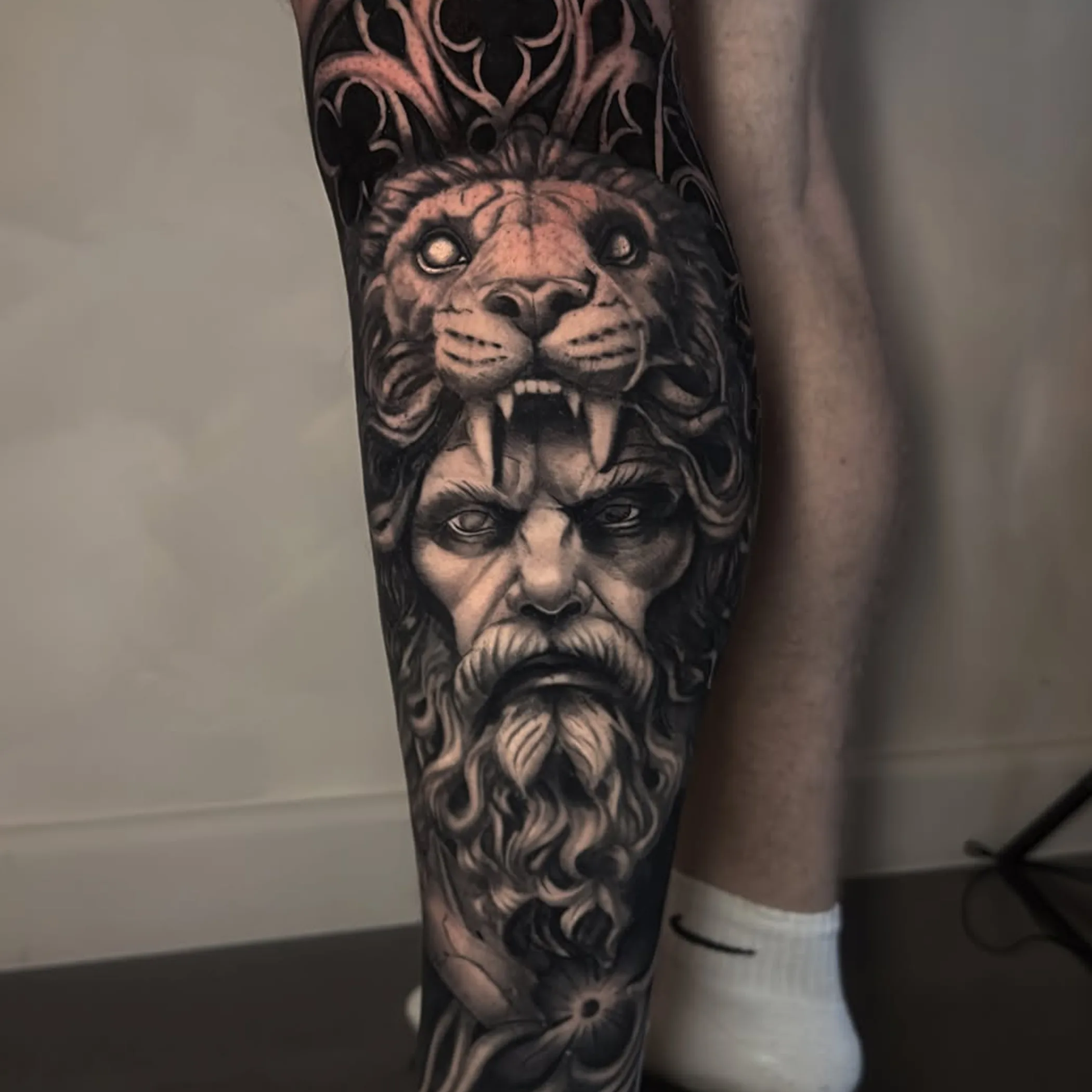
Some forethought will sidestep most of the trouble with a tattoo in summer. Pack for the way back too, for mistakes are often made with damp clothes and fatigued skin. This checklist is worth following whether you are on public transport, have a long walk from the car park or are at the beach for the day.
- See what the UV Index and weather have in store, and check for any tide, bushfire or cyclone access alerts.
- If the tattoo is new, keep it from the sun under some clean, breathable clothing.
- Have on hand a clean towel, water, a spare shirt, your aftercare product and a wash without fragrance.
- Refrain from soaking the tattoo in a spa or in the water until it is done healing.
- With a healed piece, put on your water-resistant broad-spectrum SPF 50+ prior to departure and reapply after you have been in the water or towelled off.
- Get some shade and make a point of regular breaks; should the skin get hot, sore or more irritated than before, put it out of mind and go.
Spotting Irritation And Infection
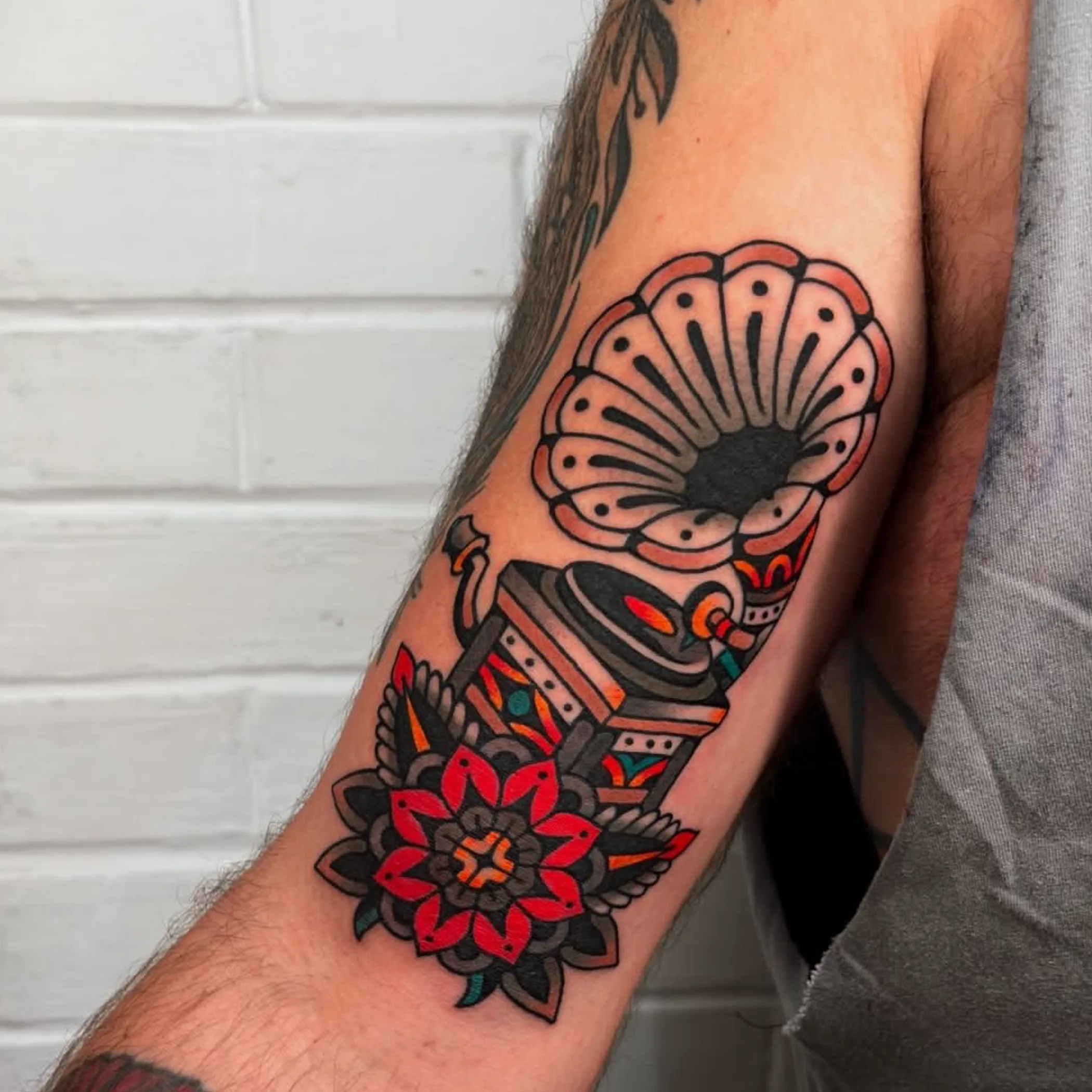
A certain amount of redness, flaking, itching, mild swelling or tenderness is to be expected in the course of normal healing, but from day to day one would expect these to abate, not worsen.
Then there is summer which can confound an assessment of irritation since a contact reaction, sunburn, insect bite or heat rash are hard to tell apart at first glance. A well lit photograph will do if you want to keep tabs on any changes, yet it is no substitute for medical opinion.
Warning Signs To Be Aware Of
Any of the following calls for a doctor or other health professional: fever or feeling unwell, pus, red streaks, an area that is getting hotter, marked swelling, mounting pain or spreading redness. In the event of facial swelling, trouble breathing or a serious allergic response, help is required as a matter of urgency.
It is not advisable to put antiseptic or antibiotic cream on the tattoo, let alone household remedies, unless a health professional says so. Nor should one pick at it. If infection is a possibility, stay out of the water and do not have others using your towels or clothes that come in contact with the spot. It is better to get early advice than to wait for the tattoo to be in a sorry state.
Tattoo Care: The Usual Questions
In the Australian summer these are asked of us often. What is the safest course of action will hinge on what the artist has put you up to, the condition of the skin and whether the work is fresh or healed.
2026’s top aftercare products?
For most a light moisturiser or balm and a wash without fragrance is best, provided it is in keeping with your artist’s wishes and your skin. You will not find a product to suit all and sundry. Do not be swayed by how something is packaged, its medicinal odour or its standing on social media. Put it down if it results in a rash or persistent burning.
The 1/3 Rule
Not a medical standard of any kind, the “1/3 rule” is an aftercare notion of sorts that has you applying a little moisturiser instead of lathering the tattoo. Artists differ in how they talk about quantities. The idea is to see to the comfort of the skin without it being wet or greasy; defer to your artist on this.
What gets under an artist’s skin?
Impatience is the root of most of it, not ill will. They will be frustrated with a client who ignores instructions, over applies ointment, picks at scabs, puts a new tattoo in the strong sun or soaks it. Put your questions to them at the studio if you have a sporting fixture, a long flight or an outdoor job on the agenda.
Vaseline or Bepanthen?
There is no automatic winner. An occlusive product can be a nuisance in the heat and some are sensitive to what is in a given formulation. Follow the label and use what your artist has put forward, do not reach for what is in the bathroom cupboard.
Swimming
Only when there is no weeping, open skin, peeling or undue redness or tenderness should one go back in the water. If in doubt, ask the artist or a health professional and hold off. Once you have had a swim and rinsed off, a bit of moisturiser is fine for dry, healed skin. With a fresh piece of work, it is best to steer clear of the water altogether.
Summer made simple
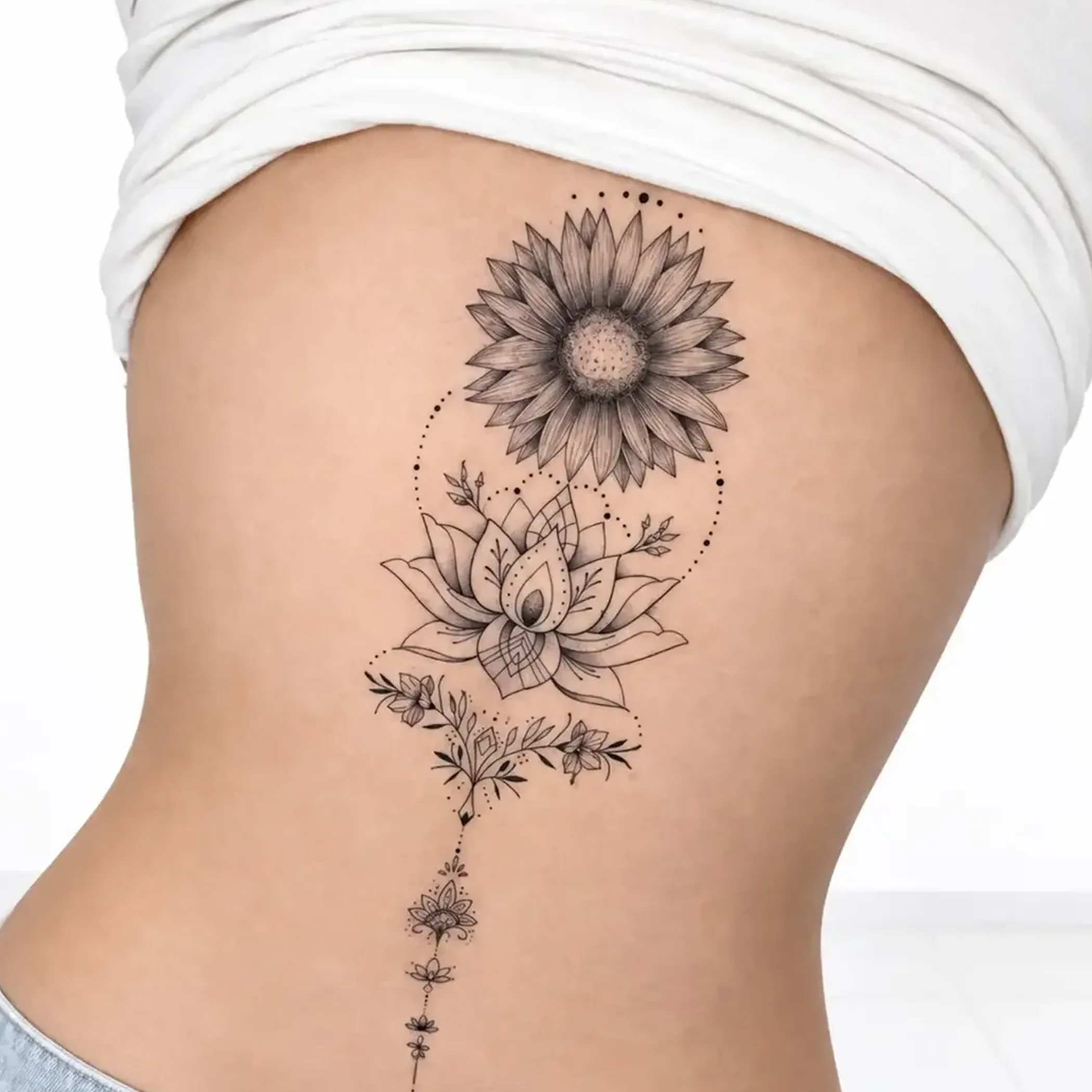
Our tips for tattoo care in Australia are not complicated: once the skin is done healing put on a water resistant SPF 50+ and before then, cover the ink with clean clothes and some shade, and deal with the sweat and friction. It is the way to go whether you are in Brisbane on a humid afternoon or on the Stuart Highway or parking up by a patrolled beach to catch a bus. Do not let the sun hurry you into a hasty healing process, give the tattoo its time and a clean routine.