
The process of flooding in Kakadu is a natural phenomenon which takes place in Top End, but it does have side effects like closing roads, access to important sites being cut off, marshes being changed and altering your journey completely. If you need to understand how Kakadu monsoon flooding influences travel, communities, animals and safety, here is your answer: flooding serves as ecological essence as well as tiresome problem, so proper planning is essential.
The Real Impact of Kakadu Monsoon Flooding: What The Wet Season Changes is not just about weather conditions. It is about road access issues, flooding of plain areas, closures in Kakadu for the season, road access issues and the fact that one thrilling photo of a storm can mess up someone else’s tour plan. Let me introduce myself: my name is Ruby Donovan, and the most important thing I want to say is this: don’t treat the whole season in Kakadu as a slightly soggier season.
Why This Season Is Important
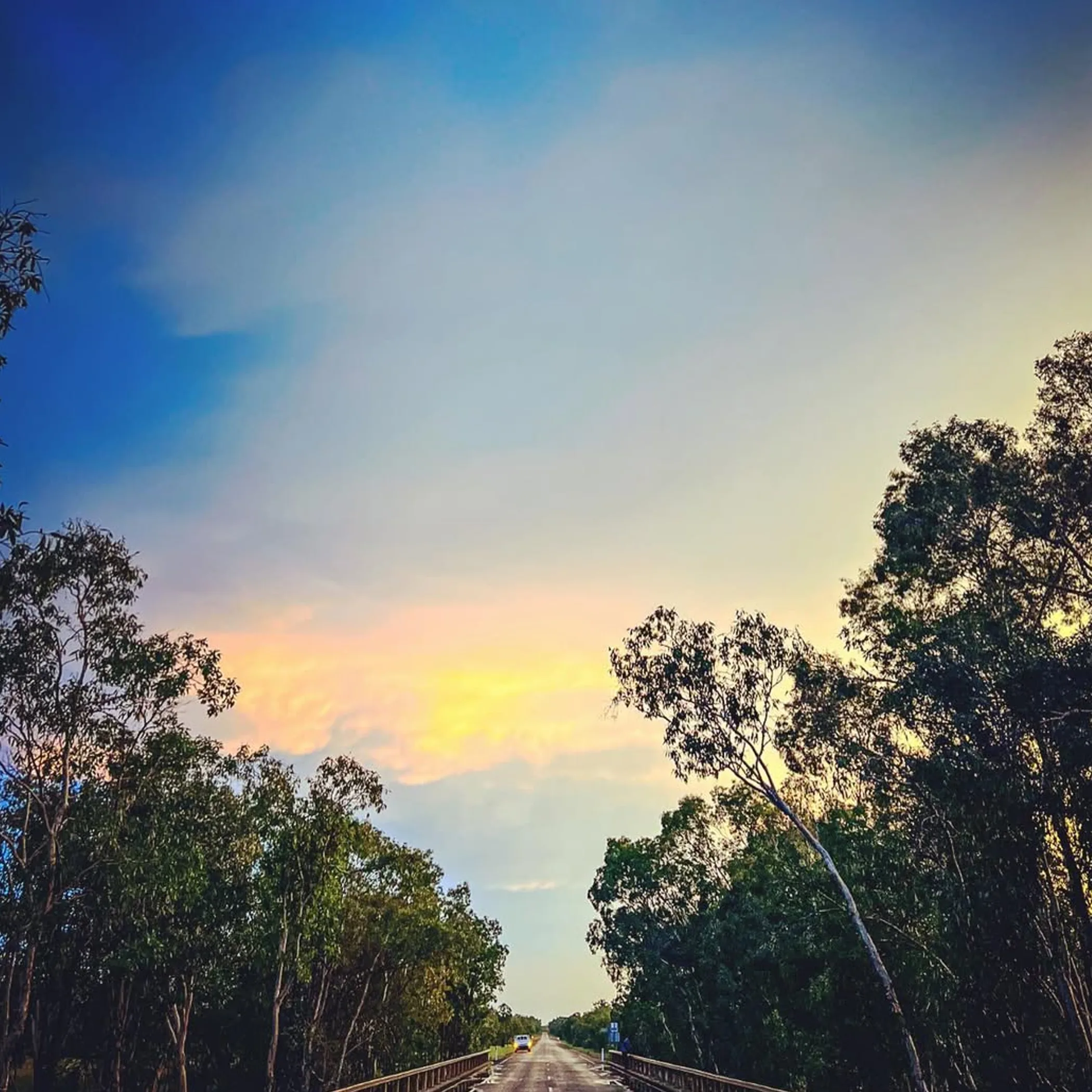
The wet season changes everything in Kakadu National Park: whether you can go there, what you can watch, how long your trips take, what different kinds of risks are involved and many other things. To determine the optimal Kakadu exploration time, considering the seasons is essential. This is the time when, as you might have guessed, the landscape appears to be the best.
According to Ruby Donovan, the greatest mistake is that visitors think that a map will tell them the truth in January. In the wet season the road can be under the water, stay blocked or just be not worth trying.
What People Generally Get Wrong
When people hear the words “flooding in Kakadu National Park”, they tend to think about one dramatic situation where just one river bursts its banks. But in reality, flooding in Kakadu usually results from several heavy rainfall events all over the area.
The second mistake is that flooding does not wait until your long weekend. Things can occur really fast, but the time needed to inspect roads, crossing and visitor area’s safety.
When The Monsoon Comes
Kakadu seasons are not just divided into two categories “wet” and “dry”, but the season which everyone is interested in is Kudjewk. This is the time when we can face high humidity and significant rain, which causes big changes in landscape.
Kudjewk, as the Kakadu season, usually lines up with northern monsoon from December to March, but sometimes all seasonal effects can remain for a long time.
Kudjewk Explained
Kudjewk is the monsoon Kakadu season that is characterized by heavy rain, thunder, flooded plains and an immense change in nature.
Parks Australia distinguishes six Kakadu seasons in local knowledge about the season and these seasons are very important if you want to spend time in Kakadu. Parks Australia tells us that there is an average of about 1.5m of rain per year in Kakadu National Park, most of which falls every year from December to March. While this information is useful, it may not be entirely accurate in the sense that a traveler will not experience “annual rainfall” but would go through ‘blocked roads’, ‘high river crossings’, ‘delayed boat departures’, or ‘mosquitoes that seem spiteful for forgetting to spray’.
How Water Accumulates
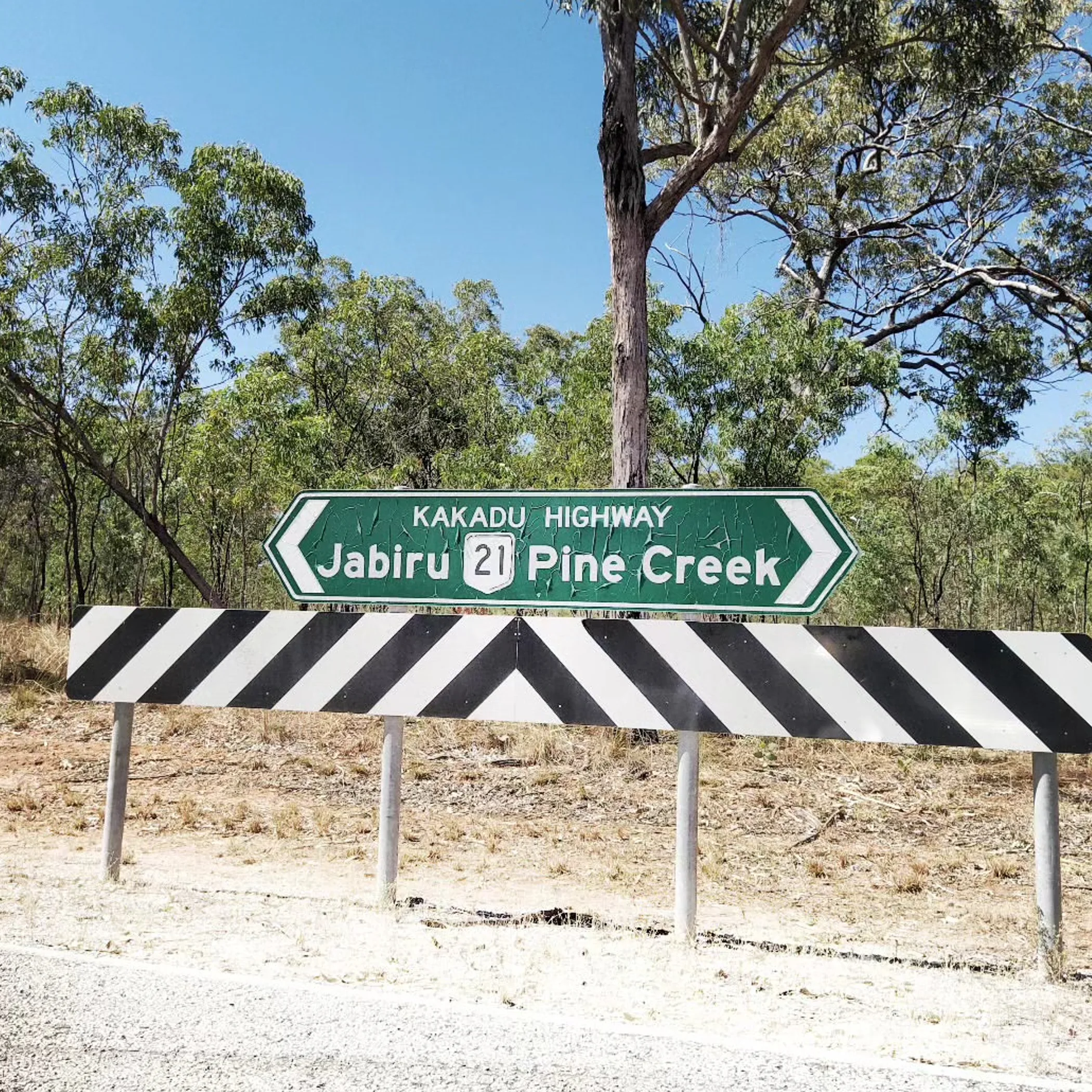
The process of waterfalls in the Kakadu region is not complicated; however, it is larger and more complicated than most travelers tend to think. The situation is not like local puddles getting filled after rainfall. It is an entire water system functioning as before.
A very simplistic way to explain it would be to say that rain falls heavily, catchment goes under, rivers spread all over, floods happen and access becomes narrower. Now, this does sound simple; but it is the enormity of all processes that makes it serious.
Catchments, Rivers and Plains
Floods in Kakadu are the result of major rainfall drops around river catchments; in particular, the catchments associated with the Alligator River floodplains. When catchments start to gain water too quickly, rivers and creeks rise in levels, low roads get submerged under water, and wetlands remain flooded off for some time.
Floods of the Alligator River area are especially important for understanding the particularities of getting from one place to another in the region, since the rises of water levels can influence roads, crossings, and areas around the floodplain. Some places may become unreachable not because of a damaged asphalt; rather, it may be because of rising water levels or the raising of adjacent low areas.
Why Do Floods Last So Long
One thing that visitors underestimate is the duration of water linger on the land after the rain stops. Flatlands, saturated soil, and wetlands connected with each other result in the fact that floods can remain on the land for weeks, or even longer. Thus, for instance, a weather forecast stating a reduced chance of rainfall for the next week is good news, but does not mean that the situation is perfectly safe.
This is when seasonally thinking becomes less glamorous and more useful. When planning a trip in the region, it is important to assess the availability of unsealed roads and campgrounds located far from heavily-trafficked places, as all these aspects will determine the flood timing.
Floodwater and This Influence on Land
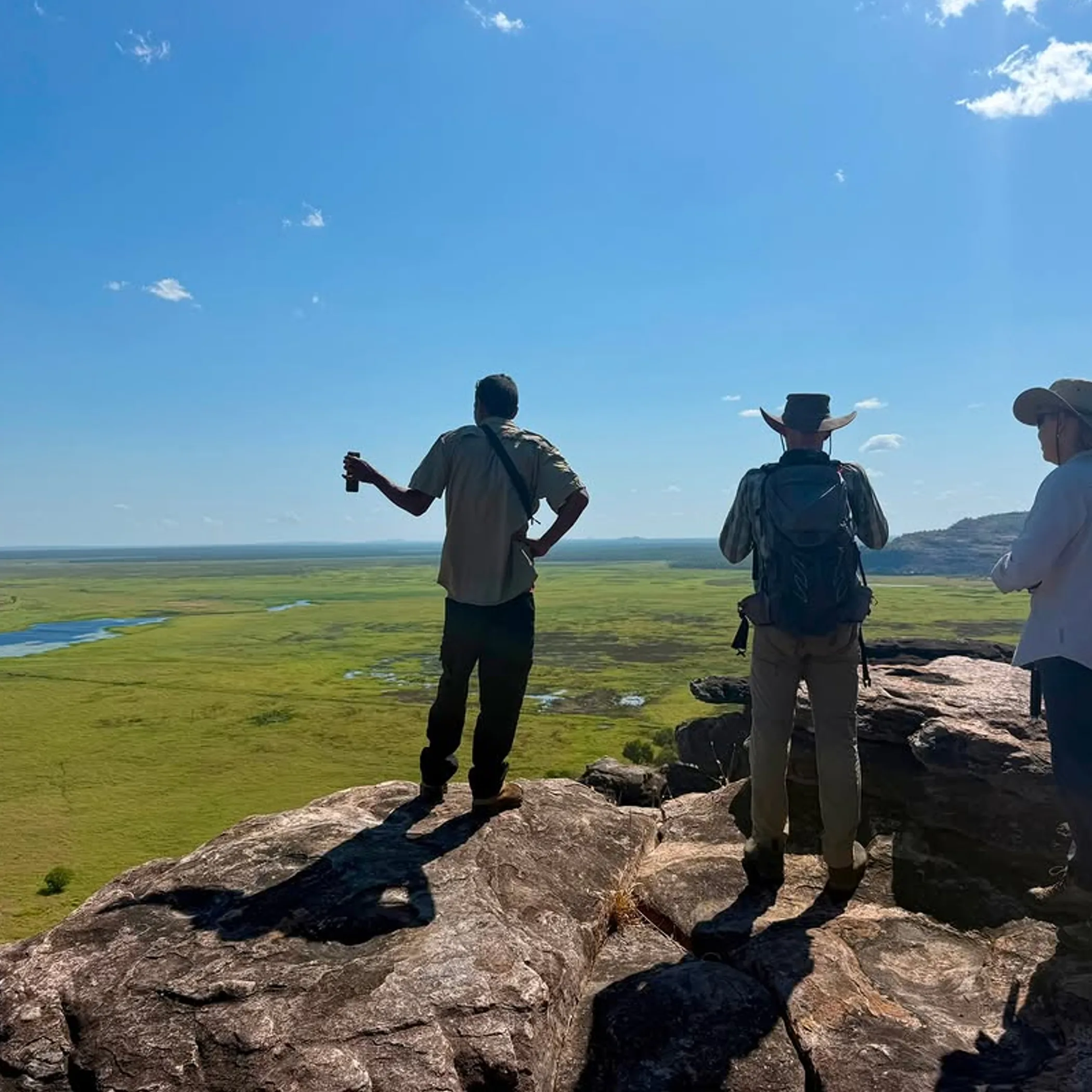
Water does more than destroy the landscape in Kakadu; it also enriches it greatly. The same water that stops traffic supports wetlands, fish spawning, birdlife, and vegetation cycles, thus making possible the wet season biodiversity that visitors appreciate so much.
However, even though not every influence is good, Kakadu region is still subject to stress induced by extreme weather phenomena and other natural disasters that cause flooding and salinity.
Wetlands and Wildlife Gains
Wet season allows replenishing billabongs, floodplains, and freshwater reserves. It provides nutrients, makes the flows interconnected, and provides possibilities for fish, frogs, and different wildlife species. The stay in the wet season can be fascinating for those travelers who truly value the experience of ecotourism.
Let’s break it down simply, saline water located in the wrong place can displace plant communities, decrease freshwater habitat quality, and alter the balance of ecosystems reliant on seasonal freshwater flooding. Flood impact is one of those technical terms that sounds complicated, but its important enough to acknowledge that it can change landscapes gradually over time.
Impact of Roads and Communities
The impact of floods on human communities is as important as the sentimental impact where postcards are concerned. Flooding can isolate outstations, make supply runs difficult, delay emergency responses, etc.
Planning an honest trip becomes a priority over living in optimism. While travelling through the Top End during the wet season, it is important to take into consideration that delays can be expected as well as self-sufficiency.
Highway coping with access challenges
Road closures are the biggest concern for tourists apart from other issues. Even though the Kakadu highway might be operational, there may be local access roads leading to the attractions, campgrounds, and communities that might still be closed.
Access to water may not be the same everywhere around water. If one area has been opened, another one may still remain closed due to road washouts, unsafe conditions, infrastructure repairs, etc.
Evacuations and Relief
There are chances that in times of flooding evacuation can take place in the remote areas around the community concerned with flood risk, level of isolation, and damage to infrastructure.
It’s hard to believe that evacuation programs are implemented by local authorities in cases when entire areas are affected in Australia.
What Travelers Are Facing

While the Kakadu wet season is great from the for waterfalls, the journey is not as enjoyable as it sounds. One will surely not experience the same atmosphere of the park in the wet season.
A big part of expectation is illustrated by the image of loud waterfalls and fertile bush, which is why we sometimes miss mobility restrictions.
What Other Travelers May Experience
Seasonal closures can affect numerous parks, including those that are accessible via a 4WD system. Kakadu is not an exception from this rule, but certain areas remain safe from visitors at certain times.
During the wet season, one can expect the possible changes in the experience while being in water. As a precaution Crocs should not be regarded year-round.
In case You Have One Day
Keep in mind that in case you have one day during the wet season you should keep on visiting the main sections of sealed roads of your choice.
You need to absolutely avoid case planning that depends on numerous successive stops by remote access if you have only one day to spend in Kakadu.
Climate Risk Is Rising
The overarching concern is not that flooding is a new phenomenon. The concern is that existing systems may soon experience more severe extremes, compounded consequences and increased management pressure.
This is significant for tourists, communities and the Country. More unpredictable circumstances translate to higher disruption, additional caution and more reliance on local knowledge.
What previous research suggests
CSIRO and associated northern Australia studies have identified various risks associated with rising sea levels, coastal changes and altered hydrology, such as the pressure on freshwater floodplains from saltwater intrusion. While forecasts differ depending on scenarios and locations, the general gist of controversy is quite unequivocal: low-lying environments are sensitive to the extremes of both rainfall patterns and marine influence.
Storm surge is just one of the aspects of flooding problems among many others, especially in coastal contexts, where stormy weather, high tides and other events come together. This might not be global concern for every visitor, but absolutely relates to future flood prospects and land management of northern protected areas.
Choosing the right time
If your primary goal is straightforward accessibility, lower chances of a mishap, and a slightly broader range of open locations – the best time to visit Kakadu would typically be out of the period of intense monsoon rains. If your primary goal is about seeing massive waterfalls, storm prerogative and greenery – the wet season sounds like a better fit, but only if you understand that your opportunities are limited and your plans are rather flexible.
For most visitors, the ideal time fits into shoulder periods, when wet season visual effects and specific routes are still in good shape. This typically serves as the best time for discovery of this beautiful national park.
Who this experience suits
The wet season caters for patient, tolerant travelers, photographers, bird lovers, repeat travelers and those who can adapt to unpredictable situations. It is less convenient and appropriate for parents with a specific route plan, inexperienced tourists or travelers with an adverse attitude to extreme temperatures, long distances and travel without all necessary facilities.
Should you crave waterfalls while avoiding hardship, mark your visit right after the peak wet period. Regardless of your plans with transport and movement, be sure to bring enough fuel in advance, spare drinking water, food, and electronic devices that are completely charged, along with a proper offline map, for the reasons discussed above.
Never ever drive into a flood. Don’t guess the depth, current flow, road damage, and crocodile danger.
Always factor reasonable travel time from Darwin, and even add on a few hours for pauses, weather, and closures, rather than just gauging everything from brochures and pamphlets.
If you are renting a vehicle, check for wet season road limits, unsealed road restrictions, and whether or not insurance will cover you.
Costs and Logistics
If you’re heading to Kakadu from Darwin, you will generally travel via road. Most travelers decide to self-drive, and within reasonable conditions, from Darwin to the western end of the park is about a three-hour journey. If you’re traveling during wet season conditions, however, you need to allow for longer as you will run into factors such as stops, visibility, water on roads, etc. that will slow you down. Finding parking at the main sealed-road visitor areas is normally easy when sites are open, but don’t assume that just because every carpark, turnoff, etc. be available during wet conditions.
Accommodation costs vary considerably depending on the season and location, and wet season deals can often be found in person great deals for both the traveler and campground owners looking to fill empty spaces. The only downside with to this is you need to be flexible with your schedule while also packing lunch and water while driving through remote areas.
In the Event You Get Caught by Flood
If you find yourself in Kakadu during sudden weather changes, you will want to cease sightseeing and switch to safety mode. Then follow park directions, road closures, and emergency procedures. Do not attempt to travel through flood waters.
What most people get wrong is pride! Nobody wants to be that traveler who had to turn back after they drove all that way, but the effort in turning back is worth the safety.
Common Questions
These are questions that commonly come to mind when travelers begin thinking about flooding in the Top End.
What are the six seasons in Kakadu National Park?
The six recognized Kakadu seasons are Kudjewk; Bangkerreng; Yegge; Wurrgeng; Gurrung; Gunumeleng. These seasons describe local environmental patterns more accurately than the simple wet/dry divide and to explain why conditions can shift before what travelers think of as “the monsoon.”
Is Kakadu flooding always a bad thing?
No. Seasonal flooding is critical to wetlands, fish, birds, and overall ecosystem health. What becomes problematic is not flooding per se, but unsafe access, destruction of infrastructure, and some extreme events.
Can you still visit during the wet?
It is possible, but you need flexible expectations.
What are the 10 effects of flooding?
Common practical Australian flooding effects include damage to infrastructure, evacuations, economic losses, and lack of access. Specifically for Kakadu, you get added potential for site closures, outstation access problems, change in where wildlife travels, etc.
Year-to-Year Comparisons
Generally, the question of comparing 2011 flooding to 2022 flooding does not have one single answer as it refers to flooding outside of Kakadu. It generates wetlands, converts the plains, evaluates the roads and makes any traveler conscious of the fact that the Top End keeps its own schedule.
Final Travel Takeaway
For the easiest journey, it’s best to wait for better weather. In case you want to visit Kakadu during the wet season of rain, floods and greenery, you have to be flexible, pay attention to current weather, and be wary about the flood danger.