
Uluru Cultural Etiquette For Visitors
In the end, the cultural etiquette one should observe as a visitor to Uluru is not complicated. Heed the site rules, put in some time, do not climb, keep to yourself in off limits zones and have the sense to remember this is a sacred living landscape and not a mere landmark. To avoid being a goose at Uluru, you would do well to respect the wishes of the Aṉangu and have some appreciation for Tjukurpa; every sign and instruction on the ground has its purpose.
I am Ruby Donovan. There are some spots where good manners are an afterthought to the holiday, but this is not one of them. At Uluṟu-Kata Tjuṯa National Park, which is under the joint management of the traditional owners, the Aṉangu, your conduct is part of the experience. The guidelines put in place are for the protection of Country and for safety. Observe them and you will have a calmer, more rewarding trip, instead of coming across as though you are barging through another’s story with your camera in their face.
The Importance of Manners
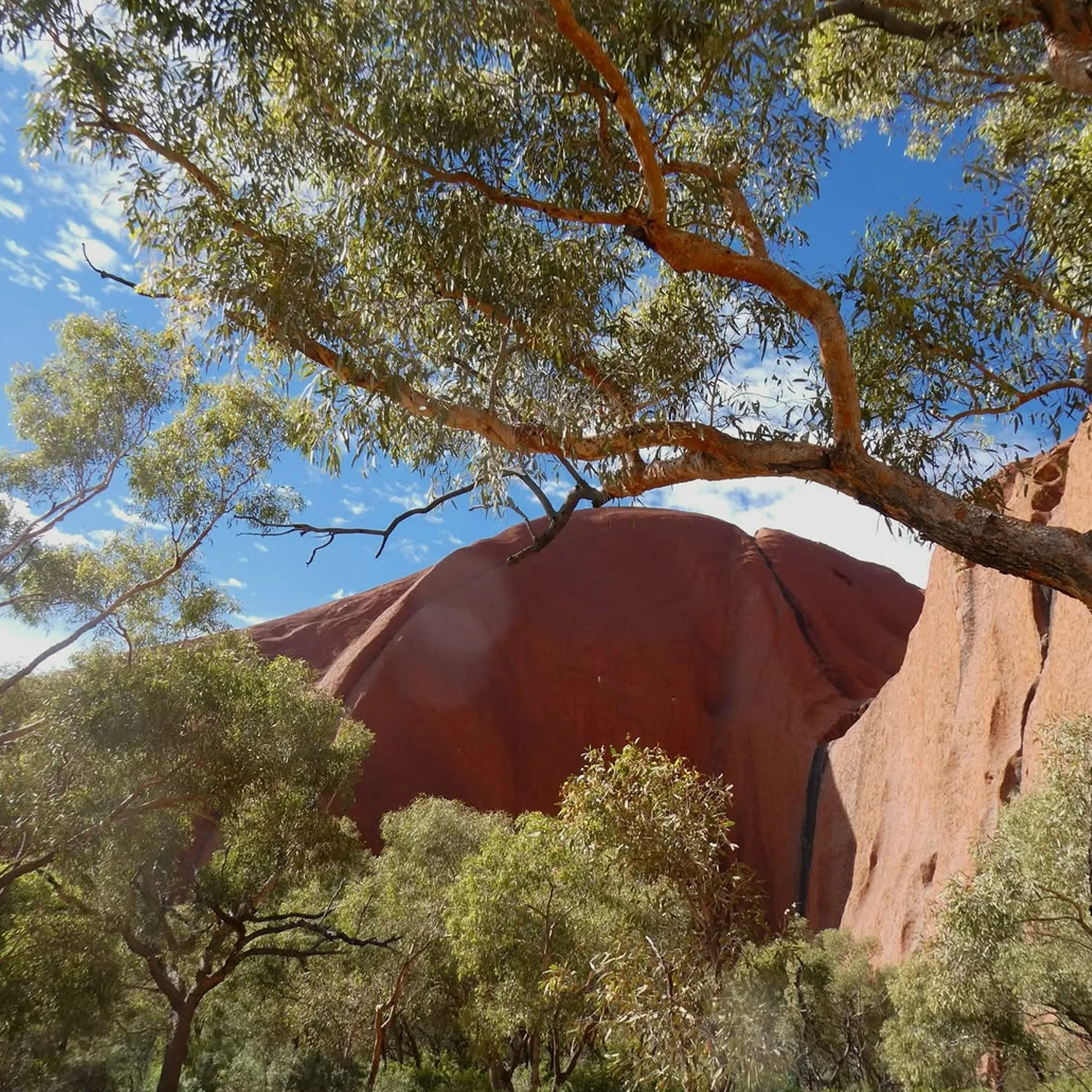
One can make an icon of Australia into a postcard without much trouble. Not so with Uluru. Given that it is a place of ceremony, law and cultural authority, your actions at Uluru can either uphold or erode that. Many visitors wonder about the perfect time to see Uluru, so the etiquette here is of consequence.
There is a tendency to think being respectful is a matter of keeping quiet for five minutes when the sun goes down. But the visitor rules at Uluru apply to the whole day. How you talk, what you put your lens on, what you lay hands on and whether you see a sign as something to be followed or a decoration, is what separates the two.
A Landmark And More
Uluṟu is in the Red Centre of the Northern Territory, inside Uluṟu-Kata Tjuṯa National Park. For Aṉangu it is a sacred place of the first order, for others a travel destination. That is why Anangu culture etiquette is so pertinent.
Travellers may come with the expectation of making a quick lap, ticking off the sunrise and being on their way. The reality is a better visit is done at a slower pace, with more observation. You will know where you should not be standing or pointing your camera, and the reason some areas are deemed sensitive. It makes all the difference to the day.
On The Sacred Nature Of Uluru
Once you grasp the rudiments of Tjukurpa the strictness of the park rules will seem sensible. I would call it the distinction between being steered by context and having signs tell you what to do.
Tjukurpa is put in English as a moral framework, law and creation story, but a hasty translation does not do it justice. It is the link between people, their responsibilities and their ancestors. Some of the stories and features at Kata Tjuṯa and Uluru hold cultural weight and there is knowledge not meant for public consumption.
Putting Tjukurpa Into Practice
It could mean you are told not to use a rock formation as a prop or to leave certain places unvisited. Such restrictions are for the preservation of the site and its meaning, not to put obstacles in your path.
Then there is the matter of the ban on climbing Uluru. It is not allowed and abiding by it is about as clear cut a rule as you will find, in line with Aṉangu and the park. As things stand, it is not up for discussion.
Some Planning Is In Order
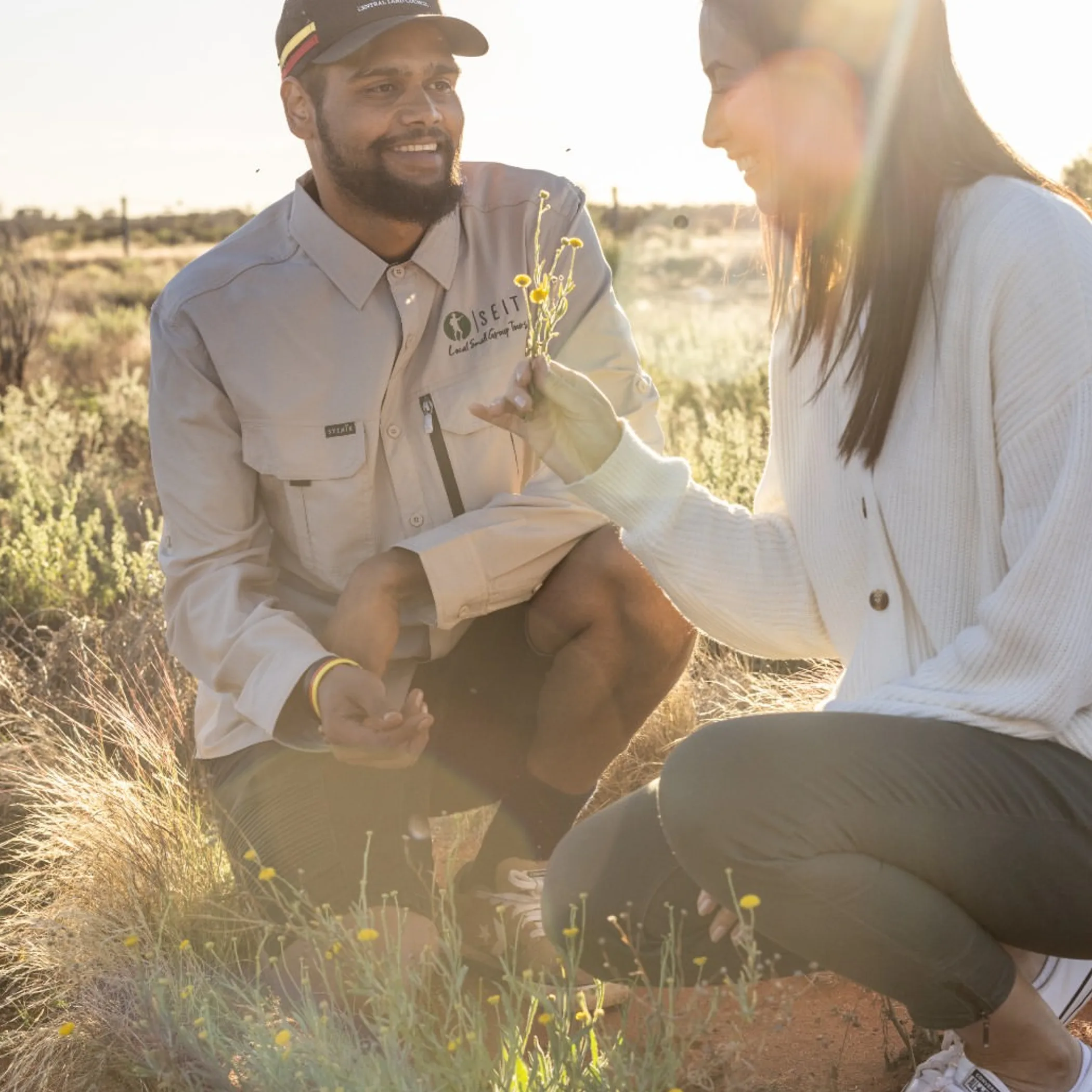
You should be planning for a respectful visit long before you get to the Red Centre. With the mozzies out and the sun at its worst, you do not want to be flustered or dehydrated and making bad calls.
While many put in for organised tours, most make their own way in from a base close to the park. Do your homework and look up the visitor guidelines and conditions on the Parks Australia Uluṟu-Kata Tjuṯa National Park page.
No Fuss Getting To Uluru
The usual route is via Yulara and the Ayers Rock Resort. Whether you have flown into Ayers Rock Airport or put in the miles from Alice Springs on the Stuart and Lasseter Highways, if you are behind the wheel, be realistic with your outback timing. On paper the distances are fine but between the heat and road trains and wanting to stop for a picture, they add up. The trip from Yulara to where you enter Uluru is a short, uneventful drive, yet one should not think that once in the park every point of interest is on top of another. Inside Uluṟu-Kata Tjuṯa National Park there is no shortcut to getting from one viewing area or walk to the Cultural Centre; it demands some organisation and your patience for parking.
Costs, Access And Timing
A park entry fee is to be expected. As for what you will be charged and opening hours, those are subject to change so put aside an old screenshot from a group chat and look up the particulars before you set off. Prices for lodging in Yulara are all over the place and, being in such a remote part of the country, food will run you more than in the big cities. Make your budget reflect that.
Should your time be limited to a day, make the Cultural Centre your first call, followed by a base section or major walk and then a spot for sunrise or sunset. It is better to have some idea of the place before you are out marching around with a water bottle and none.
Behave Well On Site
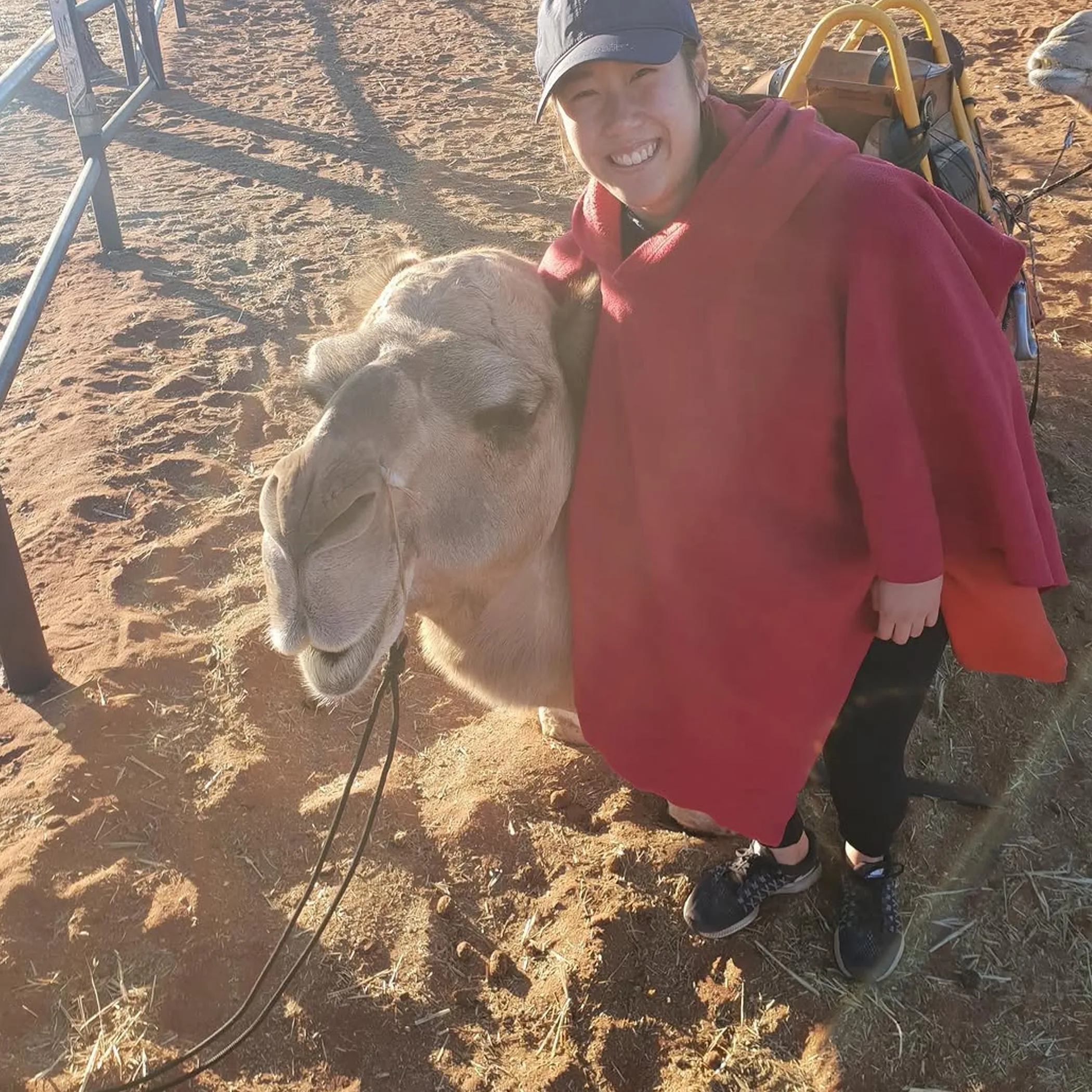
At Uluru good intentions must be put into practice. The way you conduct yourself on site is paramount and most of the trouble is caused by those who treat it as an outdoor set, flout the signs or go where they should not.
The rules for visitors are nothing complicated but they do require you to pay heed. An area marked sensitive or restricted is not to be entered. Follow the signposts on a track. When a ranger or guide tells you to step back or move along, oblige and do not make a speech about personal freedom.
Simple Conduct That Matters
- Boardwalks and marked tracks are to be used, in proximity to rock art and waterholes for instance.
- You are not to touch the art, remove anything natural, leave your rubbish or attempt to scale Uluru.
- Be considerate of noise levels at cultural sites and during presentations.
- Dress in proper footwear and take plenty of water; the heat has a way of feeling worse than the forecast would have you believe.
- And use the facilities and parking provided instead of contriving your own.
Even an “easy” walk in the outback can be more of a physical undertaking than it looks. A flat stretch is not necessarily effortless when the ground is radiating the temperature back at you and shade is in short supply.
Photo Boundaries
It is understandable that restrictions on photographing Uluru are much inquired after. Most want their photos, but the question is whether your image-making is at odds with cultural restrictions.
Certain zones around Uluru are off limits to the camera as they pertain to sacred stories and knowledge of a restricted nature. They are signposted. A no-photography sign means you put the phone away, not that you lean around it for a quick shot.
What Is Behind The Restrictions
It is a matter of culture. Some of Uluṟu has ceremonial import or is tied to gendered knowledge and stories not for public reproduction. To respect Uluru is to accept that.
With filming it is a different story again. Drones, commercial work and the like may be proscribed or need approval. If your content creation is more than the odd snap, you would do well to be apprised of the rules beforehand. Showing up with a gimbal and grand social media designs does not equate to being ready.
Restricted Places
Etiquette at Uluru is in large measure a case of recognising you do not have access to everything. Not every recess, cave or art site is open to scrutiny. There are no-go areas and the answer is to stay out of them.
Take Ruby Donovan’s advice: if you find yourself thinking of ducking past a barrier because there is no one to see, let that be enough to dissuade you. Respect is not something that requires supervision.
Rock Art
Hands on rock art is not acceptable; the oils can harm the surface and crowding too close can wear down the area. Do not let the children make a playground of a site or go scrambling for a vantage point.
And while some visitors are wont to put a stone or bit of plant in their pocket as a memento, Parks Australia and local staff have seen enough of people regretting it. Ethical travel is not to be found in the little piece of a culturally important place you put in your rucksack.
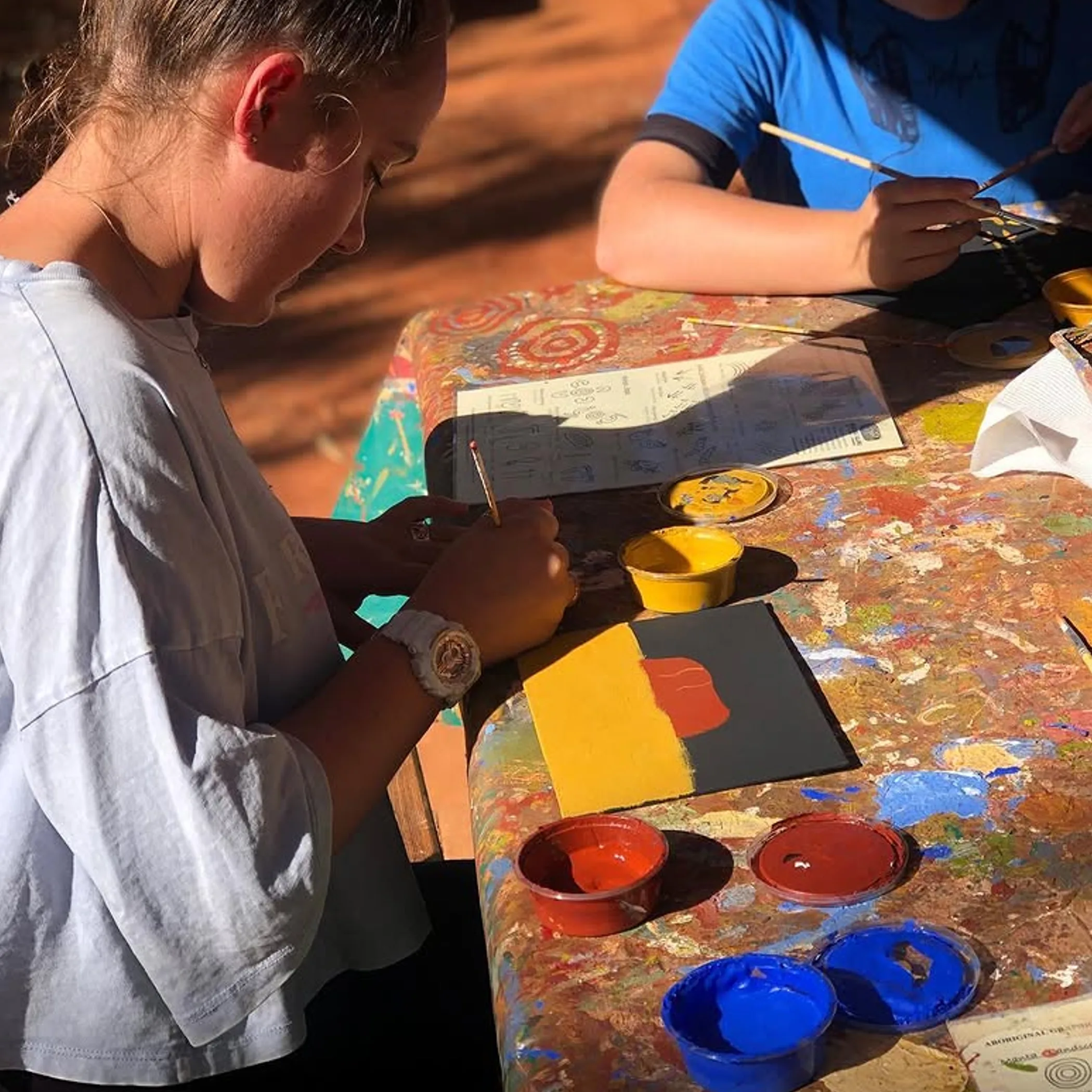
A visit need not be a superficial affair if one is willing to put in the time to learn as opposed to merely gazing. To get some sense of Aṉangu ways of thinking, either en route to or while in the park, there is no better venue than the Uluṟu Cultural Centre.
Organised outings are of use here too. A capable guide will put things in context in a way that a sign cannot. One might go with a ranger or an operator like Intrepid Travel, Discover Aboriginal Experiences or SeIT Outback Australia, so long as the tour in question is in keeping with cultural protocols and what the park allows.
Where to begin your education
The displays at the Cultural Centre are informative on matters of Tjukurpa, art, how the land is managed and local custom. Make the effort to read them. There is no point in the tourist routine of skimming a panel, putting a magnet in your pocket and calling it a day for cultural enlightenment.
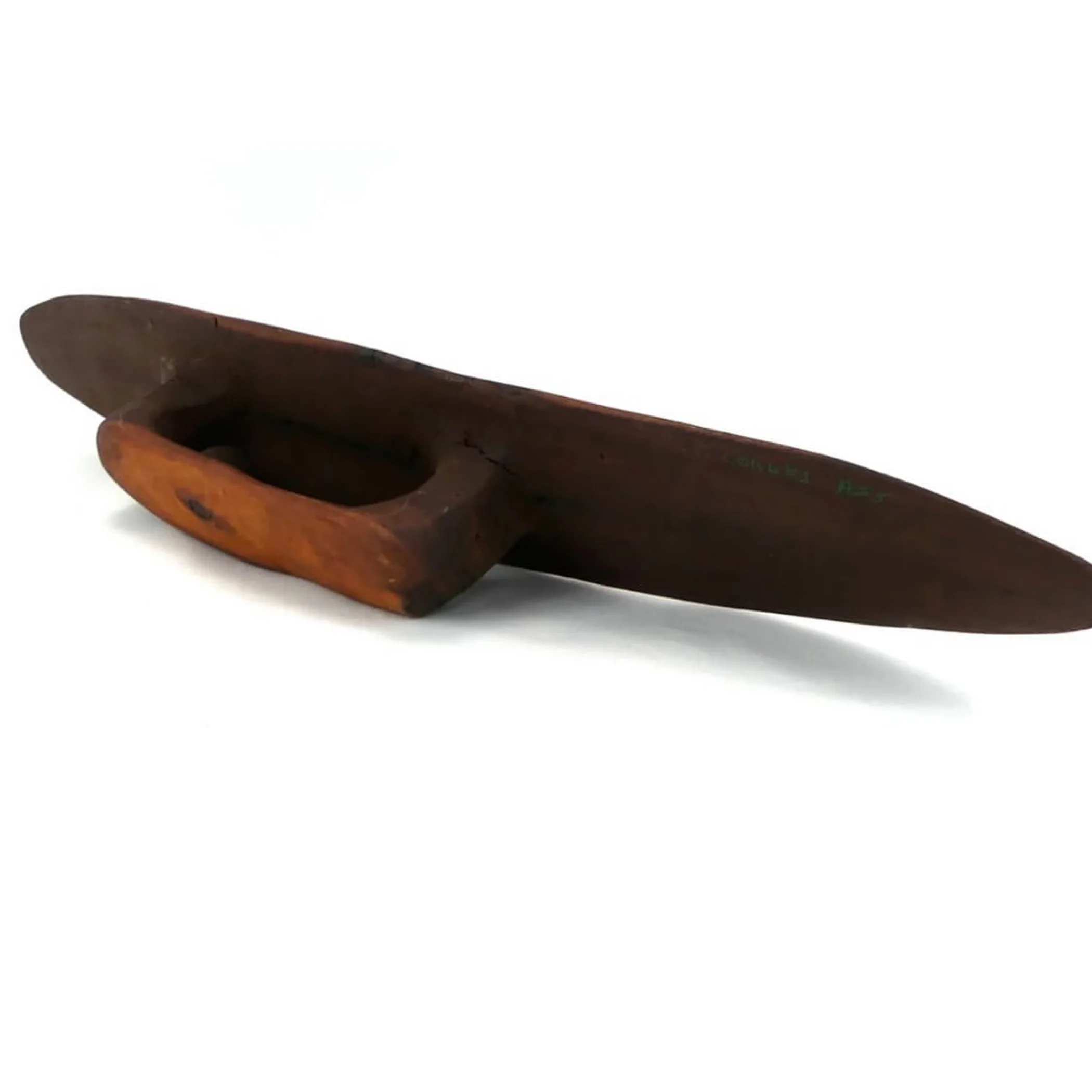
And when it comes to acquiring a gift or piece of art, be sure it is an ethical purchase from a reputable source that gives due credit to the maker. You will not be doing any good by buying mass-produced nonsense with its faux-Aboriginal trappings; it is clutter with a conscience issue.
Minding the practicalities
It is hard to be respectful when you are physically coming apart. All too often bad behaviour on the part of visitors is traceable to the heat, dehydration and hasty plans and the wrong shoes. It makes for impatience and a sort of delusion that the signs are not meant for them.
Then there is the climate of the Red Centre. It is not the wet season of the Top End but hot days can try the patience of even an unassuming excursion. Sturdy footwear and broad sun protection are called for, along with more water than you would care to think of.
What to have on hand
Shorts are permissible at Uluru if they are up to the walking and the heat; no rule of culture dictates long trousers for a general visit. The thing is to consider whether they will stand up to the sun and the scrub and changes in temperature. Most make do with shorts but over the course of a day a lightweight layer that is sun-safe tends to be more agreeable.
You will find adequate facilities at the principal visitor spots but remember this is a remote part of the world. Do not expect to wing it as you might on a day out in the city. Put your water and provisions in the car and be aware of where the dunnies are.
| Visitor Area Or Task | Realistic Time | Difficulty | What People Get Wrong | Best For |
| Cultural Centre | 45–90 min | Easy | To rush and miss the context | Those visiting for the first time |
| Base Walk (part of) | Several hours, stops included | Moderate in the heat | Not allowing for enough water or the sun | Any traveller with mobility to spare |
| Sunrise/sunset | 1–2 hrs, parking and all | Easy | Being late and wanting some peace and quiet | For the most part |
| Kata Tjuṯa add-on | Half to full day | Varies from moderate to more so | Cramming it in when the day is already full | If you are around for more than a day |
Parks Australia has a lot of national park to run and will enforce access controls and guidelines to see that both the place and its visitors are protected. The figures of note are not some showy tourism statistic but the distance and heat and the number of problems arising from a disregard for plain advice. Common sense is still the order of the day.
On the subject of season
When is the right time for Uluru? That is determined by the conditions you can stand and the respect you can muster when they are testing you. With milder weather one is less likely to be done in by 10 o’clock in the morning and etiquette and safety on the walk are easier to observe. One’s mood and the logistics of a trip are subject to seasonality. The cooler months, for all their comfort, will be busier. Then there are the hotter times which may be more sedate but require you to be stricter with your timing, get an early start and put some realistic bounds on how much walking is done.
A Few Notes on Seasonal Etiquette
When it is warm, make of your main walking what you can in the morning and let midday be for regrouping or finding shelter. In periods when visitor numbers are at a peak, have some patience at car parks and viewing areas; they can be as packed as sardines. It is a matter of interpersonal respect as much as cultural.
Severe conditions will see some experiences closed or not recommended. Heed that and do not attempt to circumvent it. There are no prizes in the bush for being stubborn.
- For the one-day itinerary: put in an appearance at the Uluṟu Cultural Centre, undertake a good walk section and conclude where the light is changing at a viewing area.
- If you want depth and not speed: the Cultural Centre and an experience at the base are to be preferred over making a dash for every lookout.
- This is for the reflective traveller: with an eye for landscape and culture.
- Those in search of an adventure playground or a swift roadside in-and-out: would be wise to think again.
Common Questions Answered
People want the unvarnished version so here it is, sans any brochure fog.
How does one show respect at Uluru?
Stay to the marked tracks, heeding the signs and photography rules, keep down the volume in the vicinity of sacred places and do not climb. Take in what the Aṉangu have to say at the Cultural Centre or from a tour of repute. For the most part it is about recognising that you cannot access, interpret or photograph everything as you see fit.
Is there a reason you can’t photograph Uluru?
Not in many parts of the park but then again not in all. Certain sections are off limits for photography due to sensitive areas or stories of a sacred nature. Where there is a sign saying so, do not take the picture.
Shorts at Uluru?
There is no blanket ban on clothing for visitors, only the practicalities of heat and sun. Wear something sensible for the weather and the walk.
What are the regulations?
The Uluṟu-Kata Tjuṯa National Park has its rules: entry fees, no climbing of Uluru, adherence to closures and safety and site-protection directives. Check the guidelines for access prior to coming.
And what should be left undone?
Do not treat Uluru like a theme park. Do not touch the rock art or remove anything natural, enter a closed or sacred site, or disregard a no-photo sign. That should preclude most of the nonsense.
Manners Make the Difference
You need not be without fault at Uluru, merely open to instruction. Come with some curiosity and decent manners and the place will give you more than if you were to barrel through after a sunset angle.
Ruby Donovan would put it this way: you are a guest on living Country, so be respectful from first to last and follow the Aṉangu lead. Not a limitation but the point of it all.